In today’s interconnected world, where virtual meetings, online learning, and content creation are everyday norms, a high-quality webcam is no longer a luxury but a necessity. While most laptops feature integrated cameras, a dedicated USB webcam offers a significant upgrade, transforming your digital presence from blurry and indistinct to crisp, clear, and professional. With over a decade of experience in IT and a deep understanding of webcam technology, we’re here to guide you through the intricate world of computer webcams and help you find the perfect match for your needs.
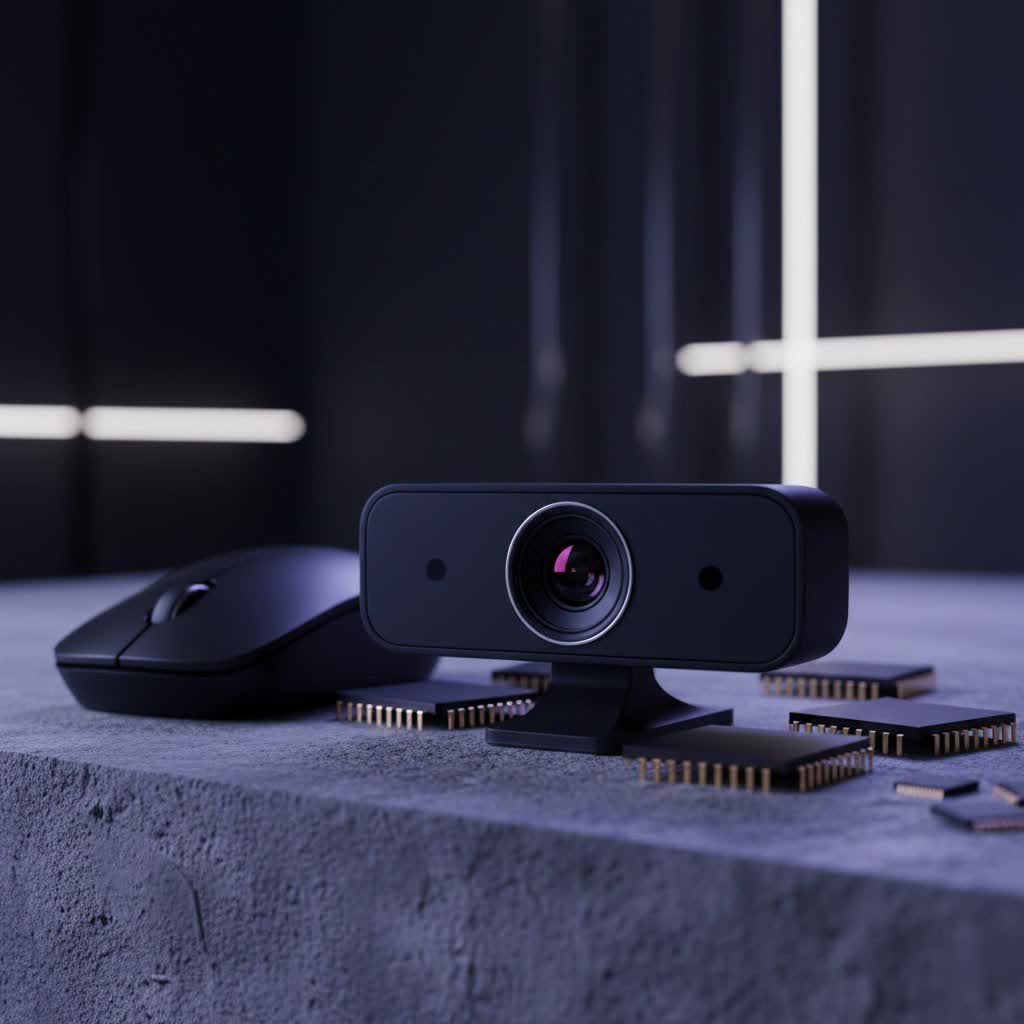
What is a USB Webcam? Why Do You Need One?
|
Our Picks for the Best Computer Webcam in 2026
As an Amazon Associate I earn from qualifying purchases.
|
||
| Num | Product | Action |
|---|---|---|
| 1 | NexiGo N60 1080P Webcam with Microphone, Software Control & Privacy Cover, USB HD Computer Web Camera, Plug and Play, for Zoom/Skype/Teams, Conferencing and Video Calling |

|
| 2 | RUWBY Full HD 1080P Webcam with Built-in Dual Mics, Wide-Angle Lens, Privacy Cover, Tripod Stand, Autofocus Computer Camera, Plug and Play for Desktop PC or Laptop |
|
| 3 | Gohero Full HD 1080P Video Webcam, Noise Cancellation, Privacy Cover, Wide-Angle Lens, Auto Light Correction, Plug & Play USB Webcam for Laptop, Desktop, PC, Mac, Zoom, Skype Pro Series |
|
| 4 | TRAUSI 1080P Webcam with Active Light Correction, Privacy Cover, Plug and Play USB Webcam for PC/Desktop/Laptop |
|
| 5 | Logitech Brio 101 Full HD 1080p Webcam for Meetings, Streaming, Desktop, Laptop, PC - Built-in Mic, Shutter, Works with Zoom, Microsoft Teams, Nintendo Switch 2’s New GameChat Mode, USB-A,-Black |
|
| 6 | Logitech C920x HD Pro PC Webcam, Full HD 1080p/30fps Video, Clear Audio, HD Light Correction, Works with Microsoft Teams, Google Meet, Zoom, Nintendo Switch 2’s New GameChat Mode, Mac/Tablet- Black |
|
| 7 | Shcngqio 1080P HD Webcam with Microphone, Noise Cancellation, Privacy Cover, Wide-Angle Lens, Auto Light Correction, Plug & Play USB Webcam for Laptop, Desktop, PC, Mac, Zoom, Skype, Streaming (Black) |
|
| 8 | Logitech C270 HD Webcam, 720p, Widescreen HD Video Calling, Light Correction, Noise-Reducing Mic, Works with Zoom, Nintendo Switch 2’s New GameChat Mode, PC/Mac/Laptop/MacBook/Tablet - Black |
|
| 9 | Logitech C920e HD 1080p Mic-Enabled Webcam, Certified for Zoom, Microsoft Teams Compatible, TAA Compliant |
|
| 10 | EMEET 1080P Webcam with Microphone, C960 Web Cam, 2 Mics, 90° FOV, USB Type-A & A-to-C Adapter, Plug&Play Computer Camera for Online Calling, Zoom/Teams/Facetime, Switch 2 Camera Support, 2025 Version |
|
A USB webcam is an external digital camera designed to connect to your computer via a Universal Serial Bus (USB) port. Unlike fixed, integrated laptop cameras, these devices are flexible, powerful, and specifically engineered to capture high-quality video and still images. Their primary purpose is to enhance your visual communication, providing a superior experience for a multitude of applications.
Whether you’re engaging in crucial virtual business meetings, participating in online classes, live streaming to your audience, or simply connecting with friends and family, a reliable USB webcam ensures you look your best. The benefits of upgrading to a quality USB webcam are numerous, including sharper images, clearer audio, better low-light performance, and greater flexibility in camera positioning, all contributing to a more impactful and professional online presence.
Types of Computer Webcams
The webcam market offers a variety of options, each with distinct advantages and ideal use cases:
- Integrated Laptop Webcams: These are built directly into your laptop’s display bezel.
- Pros: Convenient, always available, no extra setup.
- Cons: Often low resolution (typically 720p), poor low-light performance, fixed angle, limited features, and generally inferior image and audio quality compared to external options.
- External USB Webcams: These standalone devices connect via a USB cable. This category encompasses the vast majority of webcams discussed in this guide.
- Pros: Significantly better image and audio quality, higher resolutions (up to 4K), improved low-light correction, autofocus, wider field of view options, and greater flexibility in positioning. They are generally “plug-and-play” due to the USB Video Class (UVC) standard, meaning most modern operating systems automatically recognize them.
- Cons: Requires an available USB port, an additional purchase, and takes up a small amount of desk space.
- Specialized Webcams for Livestreaming and Content Creation: These are high-end USB webcams or dedicated cameras (like mirrorless cameras used as webcams) that offer advanced features such as uncompressed video output, advanced manual controls, AI-powered tracking, and superior sensors.
- Pros: Professional-grade video quality, extensive customization, and features tailored for dynamic content.
- Cons: Higher price point, can require more technical knowledge for optimal setup, and may consume significant USB bandwidth, especially when running multiple high-resolution feeds.
Key Factors When Choosing a USB Webcam
Selecting the right USB webcam requires a thoughtful consideration of several technical specifications and features to ensure it aligns with your specific needs.
-
Resolution: 720p, 1080p, 4K – Which to Choose?
Resolution dictates the sharpness and detail of your video.- 720p (HD): Basic, suitable for casual video calls where high detail isn’t critical. Often no better than a built-in laptop camera.
- 1080p (Full HD): The current standard for most external webcams, offering a clear and professional image for video conferencing, online teaching, and general streaming. Many popular platforms like Zoom and Google Meet optimize for 1080p.
- 1440p (2K/Quad HD): A flexible middle ground, offering more detail than 1080p without the higher bandwidth demands or potential frame rate limitations of 4K.
- 4K (Ultra HD): Provides the highest level of detail and allows for significant cropping without losing sharpness. Ideal for professional content creators or those who demand the absolute best image quality. However, 4K is often limited to 30 frames per second (fps), and it demands more robust computer hardware and internet bandwidth.
-
Frame Rate (FPS): How it Affects Video Smoothness
Frame rate determines how many still images (frames) the webcam captures per second, directly impacting video smoothness.- 30fps: Adequate for most video calls and general use, providing a smooth enough experience.
- 60fps: Delivers exceptionally fluid and natural-looking motion, which is crucial for fast-paced activities like gaming, sports streaming, or any scenario where smooth movement is paramount. Note that while 1080p can achieve 60fps, 4K webcams are typically limited to 30fps.
-
Field of View (FOV): Wide vs. Narrow for Different Needs
The FOV measures the width of the area the webcam can capture.- Narrow FOV (60-70 degrees): Perfect for individual headshots or when you want to focus solely on yourself, minimizing background distractions.
- Standard FOV (78-80 degrees): A common and versatile choice, balancing personal focus with enough room to include a second person or a small portion of your background.
- Wide FOV (90-120 degrees): Ideal for capturing multiple people in a meeting room, showcasing a larger workspace, or providing a broader perspective.
-
Microphone: Integrated Quality and Features
Many USB webcams come with built-in microphones. The quality varies significantly between models. Look for webcams with:- Dual omnidirectional microphones: Can pick up sound from multiple directions.
- Noise-cancellation technology: Reduces background noise, ensuring your voice is clear.
While a dedicated USB microphone will always offer superior audio, a good integrated webcam mic can be perfectly sufficient for most users, offering a notable improvement over laptop microphones.
-
Additional Features: Autofocus, Light Adjustment, Privacy, AI
- Autofocus: Automatically adjusts the lens to keep you sharp, even if you move. Essential for dynamic presentations or users who tend to shift positions.
- Automatic Light Correction/Low-Light Performance: Crucial for looking good in dimly lit environments. High-quality sensors and intelligent software can brighten and adjust images, making a significant difference.
- Privacy Cover: A physical cover that slides over the lens, offering peace of mind and protecting your privacy when the webcam is not in use.
- AI Features: Advanced webcams now offer AI-powered capabilities like automatic framing (keeping you centered), movement tracking, and even gesture control.
- Digital/Optical Zoom: Allows you to magnify your image. Optical zoom is hardware-based and maintains image quality, while digital zoom crops and scales the image, potentially reducing sharpness.
-
Lens Type: Glass vs. Plastic
The lens material impacts image quality and durability.- Plastic Lenses: Found in more budget-friendly webcams, they are more susceptible to scratches and generally produce softer images.
- Glass Lenses: Offer superior optical quality, resulting in sharper images, more accurate colors, and better low-light performance. Typically found in higher-end models and are a worthwhile investment for quality-conscious users.
-
Connectivity: USB-A, USB-C, and Bandwidth Considerations
Most USB webcams connect via a standard USB-A port. However, USB-C connections are becoming increasingly common, offering faster data transfer and often reversible connectors.- USB Bandwidth: This is a critical factor if you plan to use multiple high-resolution webcams. High-bandwidth devices (especially 4K webcams) can saturate a single USB root port, leading to performance issues. USB 3.0 (5 Gb/s) offers significantly more bandwidth than USB 2.0 (480 Mb/s). For multi-camera setups, consider connecting cameras to different USB controllers or using webcams designed for lower bandwidth requirements (e.g., those that use internal compression like MJPEG or H264).
Comparison Table: Top USB Webcam Models
| Model | Resolution | FPS | FOV | Mic | Key Features | Pros | Cons | Best For | Price Range |
|---|---|---|---|---|---|---|---|---|---|
| Logitech Brio 500 | 1080p | 30 | 90° | Dual | Auto-white balance, auto-exposure, USB-C, Show Mode (tilt down) | Excellent image quality, wide FOV, modern software, privacy shutter | Limited to 30fps at 1080p | Everyday office use, team meetings | Mid-range |
| Obsbot Tiny 2 | 4K | 30 | 85° | Dual | AI-powered auto-tracking, auto-framing, gesture control, voice control, mechanical pan & tilt | Superior tracking, 4K sensor, versatile positioning | Higher price point, potential bandwidth issues | Content creators, presenters, educators | High-end |
| Elgato Facecam MK.2 | 1080p | 60 | 84° | No | Uncompressed video, Sony STARVIS sensor, advanced software | Exceptional uncompressed 1080p60 quality, great for streaming | No integrated microphone | Serious streamers, gamers | Mid-high |
| Anker PowerConf C200 | 1440p (2K) | 30 | 95° | Dual | Wide FOV, low-light correction, privacy cover | Great value, significant upgrade from laptop cams, good low-light | 30fps max, mount can feel flimsy on laptops | Budget-conscious professionals, WFH | Budget |
| Razer Kiyo Pro Ultra | 4K | 30 | 82°-72° | Stereo | Large sensor, excellent low-light, advanced customization | Best-in-class image quality, incredible low-light performance | Very expensive, high bandwidth usage, no 60fps at 4K | High-end streamers, videographers | Premium |
Note: Prices are approximate and can vary by retailer and promotions.
USB Webcam Buying Guide
Navigating the array of choices can be daunting, but a structured approach simplifies the process:
-
Identify Your Needs: What will you primarily use the webcam for?
- Casual video calls: A 1080p 30fps webcam with decent autofocus and microphone will suffice.
- Professional meetings/online teaching: Look for 1080p 60fps or 2K resolution, strong low-light performance, good microphone with noise cancellation, and a suitable FOV.
- Livestreaming/Content Creation: Consider 4K resolution (if 30fps is acceptable) or uncompressed 1080p 60fps, advanced manual controls, AI features, and potentially invest in a separate microphone.
- Multi-person meetings: A wider FOV (90°+) and possibly AI auto-framing features are beneficial.
-
Set a Budget: Webcam prices range from under $50 for basic models to several hundred dollars for professional-grade options. Determine how much you’re willing to invest based on your usage and desired quality. Remember, a higher price often correlates with better image quality, advanced features, and durable components.
-
Consider Reputable Brands: Brands like Logitech, Elgato, Razer, Obsbot, and Anker consistently receive high ratings for their webcam offerings. Researching user reviews and expert recommendations for specific models from these brands can provide valuable insights.
-
Where to Buy: You can purchase USB webcams both online (e.g., Amazon, Best Buy, manufacturer websites) and offline (e.g., electronics stores). Online shopping often provides a wider selection and competitive pricing, while offline stores allow you to physically inspect the product.
-
Check Product Compatibility and Specifications: Before finalizing your purchase, verify that the webcam is compatible with your operating system (Windows, macOS, Linux, ChromeOS) and your preferred video conferencing or streaming software (Zoom, Teams, OBS, Google Meet). Pay close attention to the USB interface (USB-A vs. USB-C) and ensure your computer has the necessary ports.
Top Picks: Most Popular USB Webcam Models
Here’s a closer look at some of the most highly-rated USB webcams available today, catering to diverse needs:
- Logitech Brio 500: A fantastic all-rounder for most users. It delivers excellent 1080p video quality at 30fps with a flexible 90-degree field of view. Its strong auto-white balance and auto-exposure make it perform admirably in various lighting conditions right out of the box. With a modern USB-C connection and a privacy shutter, it’s a stellar upgrade for professionals and casual users alike.
- Obsbot Tiny 2: This webcam stands out with its AI-powered 3-axis gimbal, offering unparalleled auto-tracking and auto-framing capabilities. Whether you’re moving around during a presentation or demonstrating a product, the Tiny 2 keeps you perfectly centered. It boasts a 4K sensor and gesture/voice control, making it incredibly intuitive for content creators and presenters who need dynamic camera work without a dedicated operator.
- Elgato Facecam MK.2: Designed with streamers and gamers in mind, the Facecam MK.2 delivers uncompressed 1080p video at a buttery-smooth 60fps. Utilizing a high-quality Sony STARVIS sensor, it provides incredibly crisp and artifact-free video, crucial for professional-looking broadcasts. While it notably lacks an integrated microphone (assuming streamers will use a dedicated mic), its image quality and advanced software controls are top-tier.
- Anker PowerConf C200: For those seeking a substantial upgrade over their laptop’s camera without breaking the bank, the Anker PowerConf C200 is an excellent choice. It offers clear 2K (1440p) resolution, a wide 95-degree FOV, and good low-light performance. Its integrated dual microphones provide clear audio with noise cancellation, making it a solid, affordable option for remote work and online meetings.
Tips for Using and Maintaining Your USB Webcam
To get the most out of your USB webcam and ensure its longevity, consider these tips:
- Proper Setup and Configuration: Most USB webcams are plug-and-play. However, installing any accompanying software from the manufacturer can unlock advanced features, manual controls for exposure, white balance, and more. Always ensure your webcam’s drivers are up to date.
- Optimize Lighting and Camera Angle: Even the best webcam can look bad with poor lighting. Position yourself with adequate, diffused front lighting (e.g., a ring light or softbox). Avoid strong backlighting that can silhouette you. Position the webcam at eye level to create a natural and engaging line of sight.
- Regular Cleaning: Dust and smudges on the lens can significantly degrade image quality. Gently clean the lens with a microfiber cloth designed for optics. Avoid harsh chemicals or abrasive materials.
- Proper Storage: When not in use, especially if it’s a portable model, store your webcam in a protective pouch to prevent dust accumulation and physical damage. If it has a privacy cover, keep it closed.
- Troubleshooting Common Issues: If your webcam isn’t detected, try a different USB port or restart your computer. If video quality is lagging or stuttering, check your internet connection, reduce the webcam’s resolution or frame rate in its settings, or ensure you’re not overloading your USB bandwidth, especially with multiple high-demand devices.
Conclusion
A high-quality USB webcam is an invaluable tool for anyone looking to enhance their virtual interactions. From crystal-clear video calls to professional-grade streaming, the right external webcam can dramatically improve your online presence. By understanding the key features like resolution, frame rate, field of view, and additional intelligent functions, you can make an informed decision that perfectly matches your specific needs and budget. Investing in a superior USB webcam means investing in clearer communication, more engaging content, and a more polished professional image in the digital age. What aspects of your digital presence are you most excited to transform with a new USB webcam?
Frequently Asked Questions
What is the difference between a USB webcam and a built-in laptop camera?
A USB webcam is an external device that connects via a USB port, while a built-in laptop camera is integrated directly into the laptop. USB webcams generally offer superior resolution (up to 4K), better low-light performance, improved audio quality with noise cancellation, autofocus, and adjustable fields of view, significantly outperforming the often basic and fixed 720p built-in cameras.
Is 4K resolution necessary for a USB webcam?
While 4K offers the highest detail, it’s not always necessary. For most video conferencing platforms (Zoom, Teams, Google Meet), 1080p is the standard maximum supported resolution. 4K is beneficial for content creation, detailed presentations, or if you need to crop extensively without losing image quality, but it often comes with a 30fps limitation and higher cost.
Can I use multiple USB webcams simultaneously?
Yes, it’s possible to use multiple USB webcams, but it can be challenging due to USB bandwidth limitations. High-resolution cameras, especially 4K, consume significant bandwidth. It’s often recommended to connect cameras to different USB root ports on your motherboard or use webcams that utilize efficient internal video compression to avoid performance issues like lag or dropped frames.
How important is a webcam’s microphone quality?
Microphone quality is crucial for clear communication. While some high-end webcams include excellent noise-canceling microphones that can significantly outperform built-in laptop mics, a dedicated external USB microphone will always provide the best audio. For professional settings or content creation, prioritizing a separate mic alongside your webcam is often recommended for optimal sound.
What does UVC mean for a USB webcam?
UVC stands for USB Video Class. It’s a standard protocol that allows webcams to function as “plug-and-play” devices, meaning they are automatically recognized and configured by most modern operating systems (Windows, macOS, Linux, ChromeOS) without needing special drivers. This ensures easy setup and broad compatibility across different devices and platforms.
