In today’s interconnected world, a reliable computer webcam is no longer just a luxury; it’s an indispensable tool for work, education, and staying connected with loved ones. Whether you’re navigating remote work, attending online classes, or live streaming your passion, the quality of your webcam can significantly impact your virtual presence. With over a decade of experience in information technology and a deep understanding of webcam technology, we’re here to help you cut through the noise and find the ideal Computer Webcam that meets your specific needs and elevates your digital interactions.
What is a Computer Webcam? Why Do You Need One?
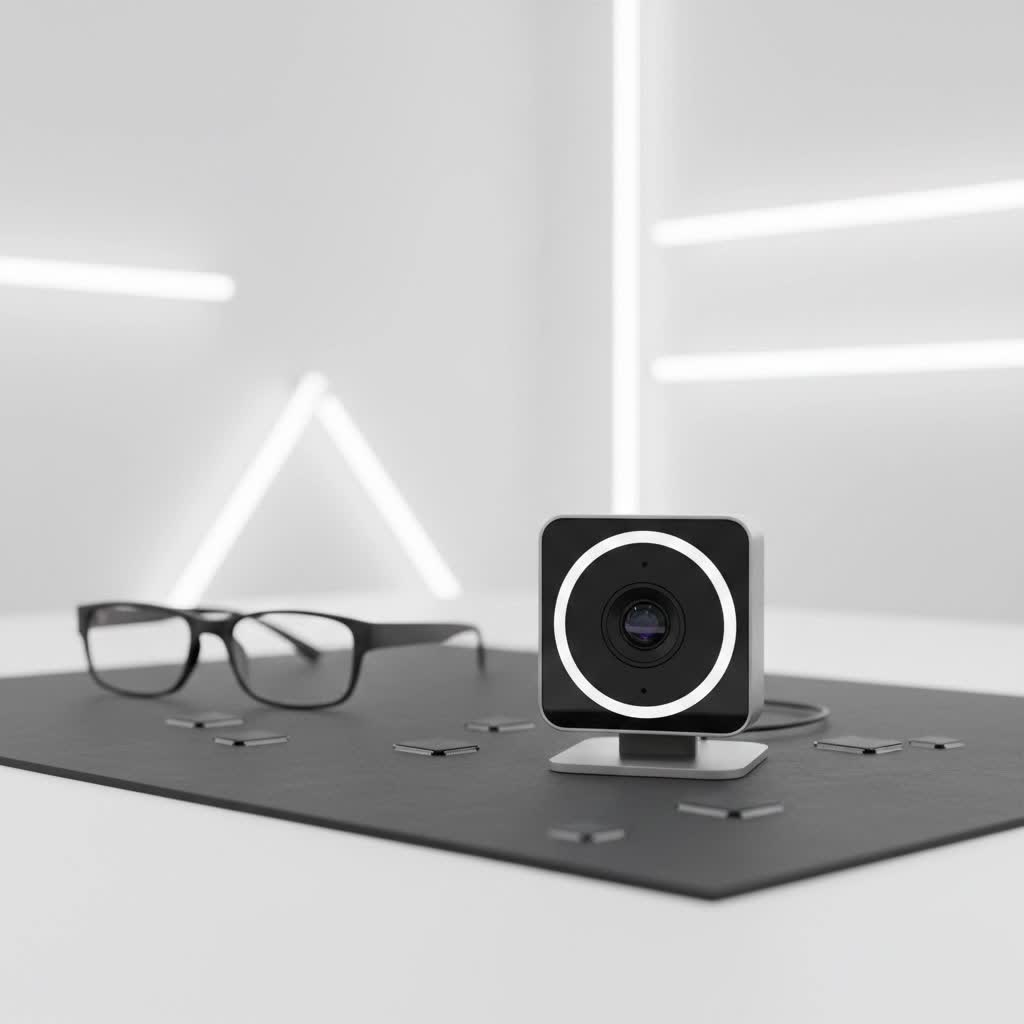
A computer webcam is essentially a digital video camera designed to capture images and video, transmitting them in real-time over the internet. These compact devices serve as your eyes and ears in the digital realm, facilitating face-to-face communication regardless of geographical distance. From casual video calls with family to critical business conferences and dynamic online content creation, a Computer Webcam is the bridge that connects you to the wider world.
Its primary functions include:
- Video Conferencing: Essential for professional meetings, remote team collaboration, and client presentations.
- Online Education: Enables interactive virtual classrooms for students and instructors.
- Live Streaming & Content Creation: Crucial for gamers, vloggers, and digital artists to engage with their audience.
- Social Connectivity: Allows for richer, more personal interactions with friends and family.
- Security Monitoring: Some webcams can double as basic security cameras for home surveillance.
Investing in a quality Computer Webcam offers numerous benefits. It dramatically improves video clarity, color accuracy, and audio quality compared to most built-in laptop cameras, ensuring you always present your best self. A dedicated webcam also provides greater flexibility in positioning, allowing for more natural angles and better framing.
Types of Computer Webcams
The webcam market offers a variety of options, each with its own advantages and disadvantages. Understanding the different types can help you narrow down your choice.
1. Integrated Webcams (Built-in)
These are cameras embedded directly into laptops, all-in-one PCs, or monitors.
- Pros:
- Convenience: Always available, no extra setup or cables needed.
- Portability: Part of the device, ideal for on-the-go use.
- Cost-Effective: Included with the computer, no additional purchase.
- Cons:
- Lower Quality: Often have basic sensors and lenses, leading to grainy or dimly lit footage, especially in poor lighting.
- Limited Flexibility: Fixed position and angle, often resulting in unflattering “up-the-nose” shots.
- Poor Audio: Built-in microphones typically lack noise cancellation and clarity.
- Hard to Troubleshoot: If it malfunctions, it’s often tied to the entire device.
|
Our Picks for the Best Computer Webcam in 2026
As an Amazon Associate I earn from qualifying purchases.
|
||
| Num | Product | Action |
|---|---|---|
| 1 | TRAUSI 1080P Webcam with Active Light Correction, Privacy Cover, Plug and Play USB Webcam for PC/Desktop/Laptop |

|
| 2 | Shcngqio 1080P HD Webcam with Microphone, Noise Cancellation, Privacy Cover, Wide-Angle Lens, Auto Light Correction, Plug & Play USB Webcam for Laptop, Desktop, PC, Mac, Zoom, Skype, Streaming (Black) |
|
| 3 | Logitech C920e HD 1080p Mic-Enabled Webcam, Certified for Zoom, Microsoft Teams Compatible, TAA Compliant |
|
| 4 | Logitech Brio 101 Full HD 1080p Webcam for Meetings, Streaming, Desktop, Laptop, PC - Built-in Mic, Shutter, Works with Zoom, Microsoft Teams, Nintendo Switch 2’s New GameChat Mode, USB-A,-Black |
|
| 5 | Gohero Full HD 1080P Video Webcam, Noise Cancellation, Privacy Cover, Wide-Angle Lens, Auto Light Correction, Plug & Play USB Webcam for Laptop, Desktop, PC, Mac, Zoom, Skype Pro Series |
|
| 6 | Logitech C920x HD Pro PC Webcam, Full HD 1080p/30fps Video, Clear Audio, HD Light Correction, Works with Microsoft Teams, Google Meet, Zoom, Nintendo Switch 2’s New GameChat Mode, Mac/Tablet- Black |
|
| 7 | EMEET 1080P Webcam with Microphone, C960 Web Cam, 2 Mics, 90° FOV, USB Type-A & A-to-C Adapter, Plug&Play Computer Camera for Online Calling, Zoom/Teams/Facetime, Switch 2 Camera Support, 2025 Version |
|
| 8 | Logitech C270 HD Webcam, 720p, Widescreen HD Video Calling, Light Correction, Noise-Reducing Mic, Works with Zoom, Nintendo Switch 2’s New GameChat Mode, PC/Mac/Laptop/MacBook/Tablet - Black |
|
| 9 | NexiGo N60 1080P Webcam with Microphone, Software Control & Privacy Cover, USB HD Computer Web Camera, Plug and Play, for Zoom/Skype/Teams, Conferencing and Video Calling |
|
| 10 | RUWBY Full HD 1080P Webcam with Built-in Dual Mics, Wide-Angle Lens, Privacy Cover, Tripod Stand, Autofocus Computer Camera, Plug and Play for Desktop PC or Laptop |
|
2. External Webcams (USB Webcams)
These are standalone devices that connect to your computer via a USB cable.
- Pros:
- Superior Quality: Generally offer higher resolutions (1080p, 4K), better sensors, and advanced optics.
- Flexibility: Can be mounted on monitors, tripods, or desks, allowing for optimal positioning and framing.
- Enhanced Features: Often include autofocus, auto-light correction, wider fields of view, and better microphones.
- Upgradable: Easily replaced or upgraded without replacing the entire computer.
- Cons:
- Additional Cost: Requires a separate purchase.
- Less Portable: Another item to carry if you travel frequently.
- Cable Management: Adds another cable to your desk setup.
3. Specialized Webcams
Within external webcams, some are designed for specific uses:
- Streaming Webcams: Optimized for content creation, often featuring high frame rates (60fps), advanced lighting, and extensive software controls. Examples include the Razer Kiyo Pro Ultra and Logitech StreamCam.
- 4K Webcams: Offer ultra-high-definition video, providing exceptional detail, useful for cropping or professional presentations. Models like the Insta360 Link 2C and Logitech MX Brio are top contenders.
For most users seeking a significant upgrade over a built-in camera, an external USB webcam is the recommended choice.
Key Factors When Choosing a Computer Webcam
Selecting the right Computer Webcam involves evaluating several technical specifications and features. Here’s what to look for:
1. Resolution: 720p, 1080p, 4K – Which Should You Choose?
Resolution refers to the number of pixels in your video, directly impacting image clarity and detail.
- 720p (HD): The basic standard, often found in older built-in cameras. Generally acceptable for casual video calls, but can appear soft or pixelated.
- 1080p (Full HD): The sweet spot for most users. It provides sharp, clear video suitable for professional meetings, online classes, and most streaming needs. Many video conferencing platforms like Zoom and Google Meet cap their resolution at 1080p.
- 2K (QHD/1440p): A less common but flexible middle ground, offering more detail than 1080p without the higher cost and processing demands of 4K.
- 4K (Ultra HD): Offers four times the pixels of 1080p, delivering incredibly crisp and detailed images. Ideal for professional content creators, large virtual events, or if you need to digitally zoom and crop without losing quality. However, ensure your internet bandwidth and computer can handle 4K streaming.
2. Frame Rate (FPS): How Does it Affect Video Smoothness?
Frame rate, measured in frames per second (fps), determines how smoothly your video appears.
- 30fps: The standard frame rate for most webcams and video conferencing. It provides a fluid-enough motion for typical interactions.
- 60fps: Delivers exceptionally smooth, lifelike motion, making it ideal for fast-paced content like gaming streams, presentations with movement, or any scenario where natural fluidity is key. If you are serious about streaming, 60fps is a significant upgrade.
3. Field of View (FOV): Wide or Narrow?
The field of view specifies how much of the scene your webcam can capture.
- Narrow FOV (65-70 degrees): Focuses tightly on a single person, ideal for individual calls where you want to minimize background distractions.
- Standard FOV (78 degrees): A common middle ground, suitable for one or two people, providing a good balance between showing your environment and keeping focus on you.
- Wide FOV (90 degrees or more): Captures a broader area, perfect for group meetings, showing more of your background, or demonstrations where you need to display physical objects. Some specialized webcams offer even wider angles or adjustable FOV.
4. Microphone: Is the Integrated Quality Good Enough?
While separate microphones (headsets or dedicated USB mics) offer the best audio quality, many webcams come with built-in microphones.
- Basic Built-in Mics: Often sufficient for casual calls but can pick up background noise and lack clarity.
- Advanced Built-in Mics: High-end webcams feature stereo microphones with noise cancellation, echo reduction, and beamforming technology to focus on your voice, providing significantly better audio that can rival entry-level standalone mics.
- Recommendation: If audio quality is paramount for professional use or streaming, consider a webcam with a good integrated mic or, ideally, a separate microphone.
5. Additional Features: Enhancing Your Webcam Experience
Modern webcams come packed with smart features that can drastically improve your video quality and user experience.
- Autofocus: Automatically adjusts the lens to keep you sharp, even if you move closer or farther from the camera. Essential for dynamic presentations or if you’re not always perfectly still. Fixed-focus webcams are simpler but require you to stay within a specific range for clarity.
- Automatic Light Correction (Auto-Exposure/RightLight): Intelligently adjusts brightness and contrast to ensure you’re well-lit, even in challenging lighting conditions (e.g., backlit situations or dimly lit rooms). Logitech’s RightLight technology is a prime example.
- AI-Powered Tracking/Auto-Framing: Uses artificial intelligence to keep you centered in the frame as you move, simulating a camera operator. Features like those found in the Obsbot Tiny series or Insta360 Link provide a highly professional look.
- Privacy Shutter: A physical cover for the lens, offering peace of mind by preventing accidental or unauthorized recording. A must-have for privacy-conscious users.
- HDR (High Dynamic Range): Improves image quality in mixed lighting conditions, balancing bright and dark areas more effectively.
- Windows Hello Integration: Allows for facial recognition login to your Windows PC, adding a layer of convenience and security.
Bảng So Sánh Các Mẫu Computer Webcam Tốt Nhất Hiện Nay
| Model | Resolution | FPS | FOV | Key Features | Pros | Cons |
|---|---|---|---|---|---|---|
| Logitech C920s Pro | 1080p | 30 | 78° | Autofocus, Auto Light Correction, Stereo Mics, Privacy Shutter | Excellent value, reliable performance, privacy shutter, decent audio | 30fps max, not ideal for low-light |
| Logitech Brio 500 | 1080p | 30 | 90° (Adjustable) | RightLight 4, Auto-Framing, Show Mode, Noise-Reducing Mics, Privacy Shutter | Superior image quality for 1080p, AI auto-framing, great low-light, flexible FOV | Capped at 30fps at 1080p |
| Insta360 Link 2C | 4K | 30 | 85.5° | AI Tracking Gimbal, Autofocus, Noise Cancellation, DeskView Mode | Exceptional 4K video, AI-powered tracking, mechanical pan/tilt, great for content creators | Pricey, 4K capped at 30fps (some competitors offer 4K 60fps) |
| Razer Kiyo Pro Ultra | 4K | 30/60* | 82°-72° | Large Sensor, Advanced Light Correction, Wide Dynamic Range, Customization | Excellent low-light performance, crisp 4K detail, great for streamers, comprehensive software control | Very expensive, might be overkill for average users, bulky design |
| Obsbot Tiny 2 | 4K | 30 | 85.5° | AI Tracking & Auto-Framing, Gesture/Voice Control, Mechanical Pan/Tilt, Autofocus | Highly advanced AI features, superb video quality, intuitive controls | Premium price, advanced features might be complex for beginners |
Note: The Razer Kiyo Pro Ultra can do 4K at 30fps, or 1080p at 60fps.
Hướng Dẫn Mua Computer Webcam (Buying Guide)
Navigating the multitude of options can be daunting. Here’s a step-by-step guide to help you make an informed decision:
-
Identify Your Primary Use Case:
- Casual Video Calls (Family/Friends): A 1080p 30fps webcam like the Logitech C920s Pro is often sufficient.
- Professional Meetings/Online Learning: Prioritize 1080p, good auto-light correction, and a clear microphone. The Logitech Brio 500 is an excellent choice.
- Live Streaming/Content Creation: Look for 1080p 60fps or 4K with advanced features like AI tracking, wide FOV, and superior low-light performance. Models like the Insta360 Link 2C or Razer Kiyo Pro Ultra are ideal.
- Privacy-Focused: Ensure it has a physical privacy shutter.
-
Set Your Budget:
- Budget-Friendly ($30-$70): Basic 1080p webcams, significant upgrade over most built-ins.
- Mid-Range ($70-$150): Offers improved image quality, better low-light performance, advanced features like autofocus and auto-light correction.
- Premium ($150+): Top-tier 4K resolution, 60fps options, AI-powered tracking, superior optics, and advanced software suites.
-
Consider Brand Reputation:
- Reputable brands like Logitech, Razer, Obsbot, Insta360, Anker, and Dell are known for quality, driver support, and reliability. Stick to established names for peace of mind.
-
Decide Where to Purchase:
- Online Retailers: Offer wider selections, competitive pricing, and user reviews. Be sure to buy from authorized sellers.
- Brick-and-Mortar Stores: Allows you to see and sometimes test the product in person, and offers immediate assistance for returns or exchanges.
-
Check Product Compatibility and Reviews:
- Ensure the webcam is compatible with your operating system (Windows, macOS, ChromeOS).
- Read recent user reviews and expert assessments. Pay attention to feedback regarding image quality, audio, software, and performance in various lighting conditions.
Top Picks: Các Mẫu Computer Webcam Được Ưa Chuộng Nhất
Based on performance, features, and user satisfaction, here are some highly recommended Computer Webcam models:
- Best Overall for Most Users: The Logitech C920s Pro HD Webcam remains a gold standard. It offers reliable 1080p video at 30fps, solid autofocus, and a privacy shutter, all at an accessible price point. It’s a huge step up from any built-in camera.
- Best for Hybrid Work and Enhanced Meetings: The Logitech Brio 500 provides excellent 1080p image quality with smart features like RightLight 4 auto-light correction and auto-framing. Its adjustable FOV and “Show Mode” for presenting physical objects make it incredibly versatile for dynamic professional environments.
- Best Premium 4K Webcam with AI: The Insta360 Link 2C stands out with its 4K resolution and innovative AI-powered gimbal. It offers precise tracking, gesture control, and crystal-clear video, making it perfect for content creators, presenters, and anyone who demands top-tier performance and dynamic framing.
- Best for Professional Streaming: The Razer Kiyo Pro Ultra is a powerhouse for serious streamers. Its large sensor, advanced light correction, and rich customization options deliver exceptional image quality, even in challenging low-light scenarios, providing a truly cinematic look.
- Best Budget Option: The HP 325 FHD Webcam or Anker PowerConf C200 offers solid 1080p video quality, often with features like low-light correction and privacy shutters, providing great value for budget-conscious users.
Mẹo Sử Dụng Và Bảo Quản Computer Webcam
To get the most out of your Computer Webcam and ensure its longevity, follow these tips:
1. Cài đặt và cấu hình webcam đúng cách (Set Up and Configure Your Webcam Properly)
- Plug-and-Play: Most modern USB webcams are plug-and-play. Simply connect it to an available USB port.
- Install Software: Download and install the manufacturer’s software or drivers, if available. This often unlocks advanced settings and features.
- Select in Applications: In your video conferencing or streaming software (Zoom, Teams, OBS, etc.), ensure you select your external webcam and its microphone as the default input devices.
2. Điều chỉnh ánh sáng và góc quay để có hình ảnh đẹp nhất (Optimize Lighting and Camera Angle)
- Lighting is Key: Position yourself facing a light source (window, ring light) rather than having it behind you. Avoid harsh overhead lighting that can create shadows.
- Eye Level: Position your webcam at eye level to create a more engaging and natural connection with your audience. Avoid looking up or down at the camera.
- Clean Background: Choose a clutter-free and well-lit background. Consider using virtual backgrounds if your environment isn’t ideal.
- Test Before Going Live: Always do a quick test call or recording to check your video and audio quality before an important meeting or stream.
3. Vệ sinh webcam thường xuyên để đảm bảo chất lượng hình ảnh (Regularly Clean Your Webcam)
- Lens Cleaning: Gently wipe the lens with a microfiber cloth designed for optics. Avoid abrasive materials or harsh chemicals that can scratch the lens.
- Body Cleaning: Use a soft, dry cloth to clean the body of the webcam.
- Dust Prevention: If your webcam has a privacy shutter, keep it closed when not in use to protect the lens from dust.
4. Bảo quản webcam đúng cách khi không sử dụng (Store Your Webcam Properly)
- Disconnect and Store: If you don’t use your webcam daily, disconnect it and store it in a protective pouch or case to prevent dust and damage.
- Avoid Extreme Conditions: Keep your webcam away from extreme temperatures, direct sunlight, and high humidity, which can affect its internal components.
- Cable Care: Avoid sharp bends or kinks in the USB cable, as this can damage the wiring over time.
Kết luận
A high-quality Computer Webcam is an investment in your digital communication, enhancing everything from professional endeavors to personal connections. By understanding the different types, key features like resolution, frame rate, and field of view, and considering additional smart functionalities, you can confidently choose a device that perfectly aligns with your needs and budget. Remember that the right webcam doesn’t just show your face; it helps you convey your presence, professionalism, and personality with clarity and impact. What will be your next step in elevating your virtual experience?
Frequently Asked Questions
What resolution is best for a computer webcam?
For most users, a 1080p (Full HD) webcam at 30fps is the optimal choice, offering excellent clarity for video calls and streaming without excessive demands on your system or internet bandwidth. If you’re a content creator or need superior detail, a 4K webcam is ideal, though many common video conferencing platforms currently cap output at 1080p.
Do I need an external webcam if my laptop has a built-in one?
While your laptop’s built-in webcam is convenient, an external webcam almost always offers significantly better video and audio quality, superior low-light performance, and greater flexibility in positioning. If you frequently engage in video calls, streaming, or online presentations, upgrading to an external Computer Webcam is highly recommended for a more professional and clearer presentation.
