In today’s interconnected world, a high-quality computer camera is no longer a luxury but a necessity. Whether you’re connecting with colleagues across continents, attending virtual classes, or streaming your passion to a global audience, your integrated laptop camera often falls short. It’s time to upgrade your visual presence and ensure you look and sound your best with an external computer camera. This comprehensive guide will walk you through everything you need to know to find the perfect device that matches your specific needs and budget.
What is a Computer Camera and Why Do You Need One?
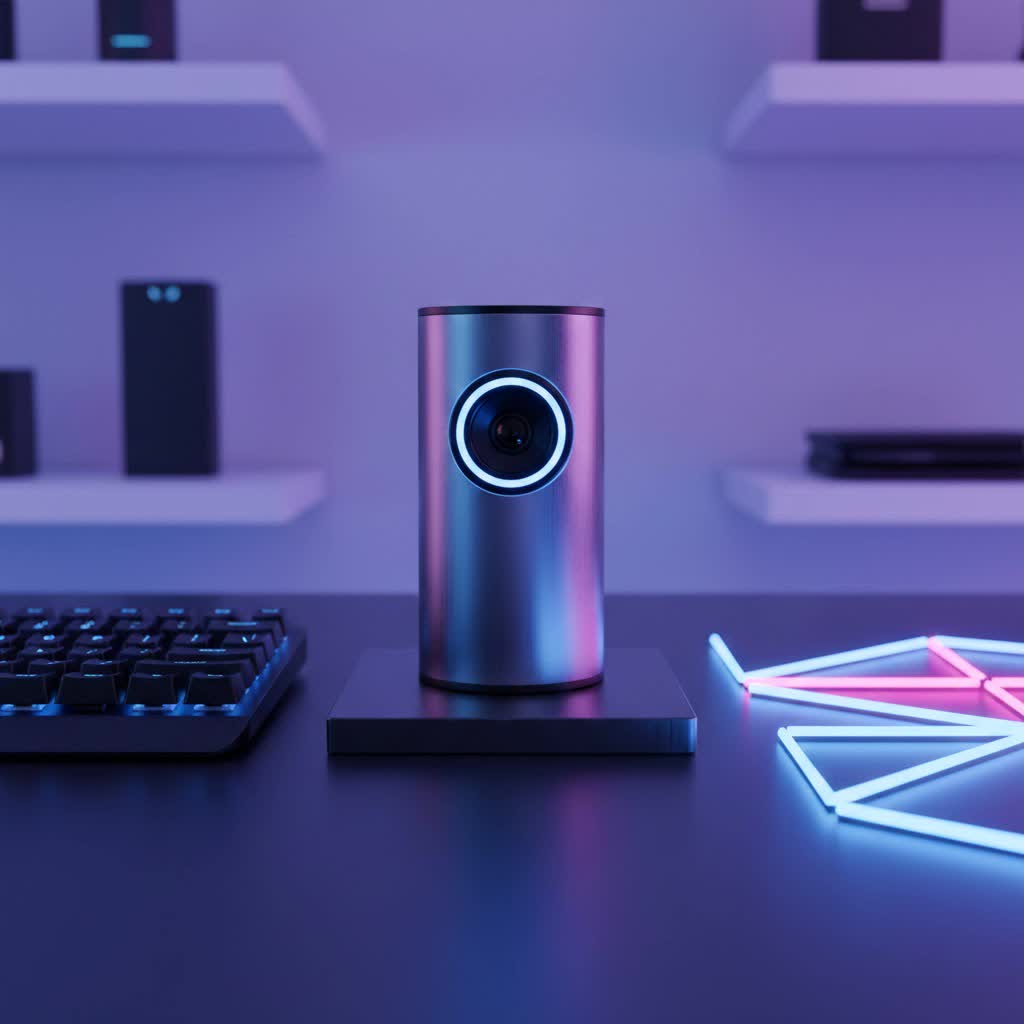
A computer camera, commonly known as a webcam, is a digital video camera that captures images and transmits them to a computer or computer network. While most modern laptops come with built-in webcams, these are often basic, offering limited resolution, poor low-light performance, and subpar audio. An external computer camera significantly enhances your visual and audio fidelity, making your online interactions more professional and engaging.
Common situations where a dedicated computer camera is essential include:
- Online Learning and Remote Work: For virtual meetings on platforms like Zoom, Microsoft Teams, or Google Meet, a clear image and crisp audio are crucial for effective communication and making a strong impression.
- Live Streaming and Content Creation: Aspiring streamers and YouTubers require high-resolution video, smooth frame rates, and excellent lighting adaptation to captivate their audience.
- Gaming: Gamers often use webcams for live streaming gameplay, interacting with viewers, and sometimes for movement tracking in virtual reality setups.
- Video Calls with Friends and Family: Even for casual calls, a better camera can make distant loved ones feel closer with clearer, more vibrant visuals.
The benefits of using a quality external computer camera are undeniable: enhanced image and audio quality, greater flexibility in positioning, and advanced features that simply aren’t available in standard integrated models.
Types of Computer Cameras Available
The market offers a diverse range of computer cameras, each designed to cater to different user needs and preferences. Understanding the distinctions can help you narrow down your choices.
- Integrated Laptop Cameras: These are the default cameras found on laptops. While convenient, they typically offer lower resolutions (often 720p), limited field of view, and basic microphones. They are generally sufficient for casual, non-critical use in well-lit environments.
- External USB Webcams: The most common type, these cameras connect via USB and sit atop your monitor or on a tripod. They come in various resolutions (from 720p to 4K) and offer a significant upgrade in image and sound quality over built-in options. Many feature improved lenses, better sensors, and more advanced processing.
- Dedicated Streaming Webcams: Designed for content creators and serious streamers, these webcams prioritize high frame rates (e.g., 1080p at 60 frames per second), superior low-light performance, and advanced features like background replacement, multiple fields of view, and robust software controls.
- AI-Powered Webcams: A newer category, these cameras integrate artificial intelligence for features like automatic subject tracking, auto-framing, enhanced noise reduction, and intelligent light correction, offering a more dynamic and hands-free experience.
Choosing an external computer camera provides versatility and performance that integrated options cannot match, making it a valuable investment for virtually any digital task.
Key Factors to Consider When Choosing a Computer Camera
Selecting the best computer camera involves evaluating several critical factors to ensure it meets your specific requirements.
Resolution: 720p, 1080p, 4K – Which Should You Choose?
Resolution dictates the clarity and detail of your video.
- 720p (HD): Offers a basic high-definition standard, suitable for casual video calls with friends or colleagues where bandwidth might be limited.
- 1080p (Full HD): This is the ideal resolution for most users, providing a clear and professional image for online meetings, virtual classrooms, and standard live streaming. Many video conferencing platforms support 1080p.
- 4K (Ultra HD): For the ultimate in picture quality, 4K webcams offer exceptional detail, making them perfect for high-end content creation, professional broadcasting, or situations where you need to zoom into an image without significant quality loss. However, 4K requires substantial bandwidth and computing power, so a fast and stable internet connection is essential.
|
Our Picks for the Best Computer Webcam in 2026
As an Amazon Associate I earn from qualifying purchases.
|
||
| Num | Product | Action |
|---|---|---|
| 1 | TRAUSI 1080P Webcam with Active Light Correction, Privacy Cover, Plug and Play USB Webcam for PC/Desktop/Laptop |

|
| 2 | Logitech C270 HD Webcam, 720p, Widescreen HD Video Calling, Light Correction, Noise-Reducing Mic, Works with Zoom, Nintendo Switch 2’s New GameChat Mode, PC/Mac/Laptop/MacBook/Tablet - Black |
|
| 3 | RUWBY Full HD 1080P Webcam with Built-in Dual Mics, Wide-Angle Lens, Privacy Cover, Tripod Stand, Autofocus Computer Camera, Plug and Play for Desktop PC or Laptop |
|
| 4 | Gohero Full HD 1080P Video Webcam, Noise Cancellation, Privacy Cover, Wide-Angle Lens, Auto Light Correction, Plug & Play USB Webcam for Laptop, Desktop, PC, Mac, Zoom, Skype Pro Series |
|
| 5 | NexiGo N60 1080P Webcam with Microphone, Software Control & Privacy Cover, USB HD Computer Web Camera, Plug and Play, for Zoom/Skype/Teams, Conferencing and Video Calling |
|
| 6 | Logitech C920x HD Pro PC Webcam, Full HD 1080p/30fps Video, Clear Audio, HD Light Correction, Works with Microsoft Teams, Google Meet, Zoom, Nintendo Switch 2’s New GameChat Mode, Mac/Tablet- Black |
|
| 7 | Shcngqio 1080P HD Webcam with Microphone, Noise Cancellation, Privacy Cover, Wide-Angle Lens, Auto Light Correction, Plug & Play USB Webcam for Laptop, Desktop, PC, Mac, Zoom, Skype, Streaming (Black) |
|
| 8 | Logitech Brio 101 Full HD 1080p Webcam for Meetings, Streaming, Desktop, Laptop, PC - Built-in Mic, Shutter, Works with Zoom, Microsoft Teams, Nintendo Switch 2’s New GameChat Mode, USB-A,-Black |
|
| 9 | Logitech C920e HD 1080p Mic-Enabled Webcam, Certified for Zoom, Microsoft Teams Compatible, TAA Compliant |
|
| 10 | EMEET 1080P Webcam with Microphone, C960 Web Cam, 2 Mics, 90° FOV, USB Type-A & A-to-C Adapter, Plug&Play Computer Camera for Online Calling, Zoom/Teams/Facetime, Switch 2 Camera Support, 2025 Version |
|
Frame Rate (FPS): How Does It Affect Video Smoothness?
Frame rate, measured in frames per second (fps), determines how smooth and fluid your video appears.
- 30fps: The standard for most webcams and sufficient for everyday video conferencing and general use.
- 60fps: Provides noticeably smoother video, which is highly beneficial for streaming fast-paced content, gaming, or any activity where quick movements need to be captured without blur.
Field of View (FoV): Wide or Narrow for Your Needs?
The field of view refers to how much of the scene the camera captures.
- Wide FoV (90 degrees or more): Ideal for group calls, presentations where you need to show more of your surroundings, or if you tend to move around a lot during calls.
- Narrow FoV (65-78 degrees): Best for individual, focused shots, making you the central point of the frame and minimizing distractions from your background. Some cameras offer adjustable FoV, providing flexibility.
Microphone: Is Built-in Quality Good Enough?
Many computer cameras include built-in microphones, offering convenience. However, their quality can vary significantly.
- Look for webcams with dual omni-directional microphones and noise-reduction technology to ensure your voice is captured clearly while minimizing background distractions.
- For professional streaming or critical meetings, consider pairing your webcam with a dedicated external microphone for superior audio quality.
Additional Features to Look For
- Autofocus: Ensures your image remains sharp even if you move closer to or further from the camera. This is particularly useful for dynamic presentations.
- Automatic Light Correction (RightLight, HDR): These technologies automatically adjust exposure and contrast to make you look well-lit, even in dim or uneven lighting conditions. HDR (High Dynamic Range) further enhances visual vibrancy.
- Privacy Shutter: A physical cover for the lens provides peace of mind, ensuring your camera is truly off when not in use.
- Mounting Options: Flexible clips for monitors, tripod compatibility, or magnetic mounts offer versatility in camera placement.
- Connectivity: USB-C is becoming standard, offering future-proof compatibility, but ensure your computer has the necessary ports or acquire an adapter if needed.
- Software: Companion software (e.g., LogiTune, Logi Options Plus, G Hub) allows for fine-tuning settings like zoom, pan, tilt, color balance, and activating advanced features like auto-framing and show modes.
Top Picks: Best Computer Cameras Available Now
Choosing the best computer camera depends heavily on your primary use and budget. Here’s a comparison of some highly-rated models that offer excellent performance across different categories:
| Model | Resolution | Frame Rate | Field of View (FoV) | Key Features | Ideal Use Case | Price Range |
|---|---|---|---|---|---|---|
| Logitech MX Brio Ultra HD 4K | 4K @ 30fps, 1080p @ 60fps | 30fps/60fps | Adjustable | AI auto-framing, noise reduction, privacy shutter, Show Mode, USB-C | Professional, Streaming, Gaming | Premium |
| Logitech Brio 500 | 1080p @ 30fps, 720p @ 60fps | 30fps/60fps | Adjustable (65/78/90°) | Auto Light Correction (RightLight 4), RightSight auto-framing, Show Mode, privacy shutter, dual noise-reduction mics, USB-C | Home Office, Meetings, Content Creation | Mid-Range |
| Razer Kiyo Pro | 1080p @ 60fps, HDR @ 30fps | 30fps/60fps | Adjustable (80-103°) | Adaptive Light Sensor, HDR, wide FoV, autofocus, no external audio support | Streaming, Gaming, Home Office | Premium |
| Dell UltraSharp HDR 4K Webcam | 4K Ultra HD | 30fps (4K) | Adjustable (65/78/90°) | Superior picture quality, AI auto-framing, HDR, no built-in mic | High-End Professional, 4K Demanding | Premium |
| Insta360 Link 2 Pro | 4K @ 30fps | 30fps (4K) | Gimbal-based tracking | AI tracking, gimbal stabilization, DSLR-like quality, robust software | Content Creation, Presentations | Premium |
| Logitech Brio 100 | 1080p @ 30fps | 30fps | 58° | Full HD, balanced exposures in tricky lighting, budget-friendly | Budget, Everyday Use, Home Office | Entry-Level |
| Logitech C920s Pro | 1080p @ 30fps | 30fps | 78° | Full HD, privacy shutter, good value for money | Everyday Use, Meetings, Budget-Friendly | Entry-Level |
For the ultimate experience, the Logitech MX Brio Ultra HD 4K offers stunning 4K visuals and AI-powered features, making it a versatile choice for professionals and content creators. If 4K isn’t a strict requirement but high quality is, the Logitech Brio 500 stands out with its excellent 1080p image, smart features like RightSight auto-framing and Show Mode, and effective noise-canceling microphones. For serious streamers, the Razer Kiyo Pro delivers exceptional 1080p at 60fps with HDR, perfect for smooth and vibrant live content.
For those on a tighter budget, the Logitech Brio 100 provides a solid Full HD upgrade over most laptop cameras, offering good image quality and balanced exposure for everyday use without breaking the bank.
Your Buying Guide: How to Choose the Perfect Computer Camera
Navigating the options for a computer camera can feel overwhelming. Follow this guide to make an informed decision:
-
Define Your Primary Use: What will you primarily use the computer camera for?
- Video Conferencing/Remote Work: Focus on 1080p resolution, reliable autofocus, good low-light correction, and clear built-in microphones.
- Live Streaming/Content Creation: Prioritize 1080p or 4K resolution at 60fps, advanced low-light performance, adjustable field of view, and possibly AI tracking features.
- Casual Calls: A 720p or basic 1080p model with a decent mic will likely suffice.
-
Set a Realistic Budget: Computer cameras range from under $30 to over $300. Determine how much you’re willing to invest.
- Entry-Level ($20-$50): Expect 720p or basic 1080p with essential features.
- Mid-Range ($50-$150): Offers 1080p often with 60fps options, better low-light performance, and more advanced features like auto-framing or privacy shutters.
- Premium ($150+): Features 4K resolution, advanced AI capabilities, superior optics, and professional-grade audio and video processing.
-
Research Reputable Brands: Brands like Logitech, Razer, Dell, EMEET, and Insta360 consistently produce highly-rated computer cameras. Reading customer reviews and expert analyses provides valuable insights into real-world performance.
-
Consider Where to Buy: Major electronics retailers like Best Buy often have a wide selection, allow for in-store comparisons, and offer good return policies. Online marketplaces provide even more options and competitive pricing.
-
Check Compatibility: Ensure the computer camera is compatible with your operating system (Windows, macOS, ChromeOS) and the video conferencing or streaming software you intend to use (Zoom, Teams, OBS Studio, etc.). Most modern webcams are plug-and-play, but some advanced features may require specific software or drivers. Also, check for the required USB connection (USB-A vs. USB-C).
By methodically assessing these factors, you can confidently choose a computer camera that perfectly aligns with your needs and enhances your digital presence.
Maximizing Your Computer Camera: Tips for Use and Maintenance
Once you’ve chosen your ideal computer camera, a few tips can help you get the most out of it and prolong its lifespan.
- Optimal Placement and Angle: Position your camera at eye level or slightly above to create a flattering and engaging perspective. Experiment with different angles to find what works best for your setup and to include or exclude elements from your background.
- Lighting is Key: Good lighting can dramatically improve your video quality, even with a basic camera. Sit facing a window for natural light, or use a ring light or other diffused light source in front of you. Avoid strong backlighting, which can make you appear as a silhouette.
- Software Configuration: Download and utilize any companion software provided by the manufacturer (e.g., LogiTune). These applications often allow you to customize resolution, frame rate, field of view, color balance, and activate features like auto-framing or digital zoom for optimal performance.
- Keep it Clean: Dust and smudges on the lens can degrade image quality. Gently clean your camera lens regularly with a microfiber cloth to keep it spotless.
- Software and Firmware Updates: Regularly check for and install software and firmware updates for your computer camera. These updates often include performance improvements, bug fixes, and new features.
- Secure Your Camera: When not in use, engage the privacy shutter if your camera has one. If not, consider disconnecting it or covering the lens to prevent unauthorized access and protect your privacy.
“A great computer camera isn’t just about pixels; it’s about confidence. It allows you to present your best self, making every virtual interaction impactful and authentic.” – ReviewMBAs Admin, Tech Expert
Frequently Asked Questions
What resolution is best for a computer camera?
For most users, a 1080p Full HD computer camera offers the best balance of clarity and performance for video conferencing, online learning, and general use. If you’re a professional content creator or require the highest detail, a 4K camera is preferable, assuming you have the bandwidth.
Are built-in laptop cameras good enough?
Generally, built-in laptop cameras provide only basic functionality and lower quality compared to external computer cameras. Investing in an external webcam significantly enhances image clarity, audio quality, and offers more advanced features like autofocus and better low-light performance.
What is a good frame rate for a computer camera?
A frame rate of 30 frames per second (fps) is sufficient for standard video calls and most online interactions. For smoother video, especially for fast-moving content, gaming, or high-quality streaming, a camera offering 60fps at 1080p is highly recommended.
Do I need a 4K computer camera?
A 4K computer camera is not strictly necessary for everyday use, but it is highly beneficial for professional applications such as high-resolution content creation, detailed presentations, or if you plan to zoom in significantly on your video feed. Keep in mind that 4K video requires more processing power and a strong internet connection.
