In today’s interconnected world, a high-quality webcam is no longer a luxury but a necessity for work, education, and staying connected with loved ones. Whether you’re a seasoned professional, a student, or an aspiring streamer, finding the perfect computer webcam can significantly enhance your online presence. With over a decade of experience in IT and a deep understanding of webcam technology, we’re here to guide you through the latest and greatest options, ensuring you make the best buy for your specific needs.
What is a Computer Webcam and Why Do You Need One?
|
Our Picks for the Best Computer Webcam in 2026
As an Amazon Associate I earn from qualifying purchases.
|
||
| Num | Product | Action |
|---|---|---|
| 1 | Shcngqio 1080P HD Webcam with Microphone, Noise Cancellation, Privacy Cover, Wide-Angle Lens, Auto Light Correction, Plug & Play USB Webcam for Laptop, Desktop, PC, Mac, Zoom, Skype, Streaming (Black) |

|
| 2 | Logitech C920e HD 1080p Mic-Enabled Webcam, Certified for Zoom, Microsoft Teams Compatible, TAA Compliant |
|
| 3 | RUWBY Full HD 1080P Webcam with Built-in Dual Mics, Wide-Angle Lens, Privacy Cover, Tripod Stand, Autofocus Computer Camera, Plug and Play for Desktop PC or Laptop |
|
| 4 | Logitech Brio 101 Full HD 1080p Webcam for Meetings, Streaming, Desktop, Laptop, PC - Built-in Mic, Shutter, Works with Zoom, Microsoft Teams, Nintendo Switch 2’s New GameChat Mode, USB-A,-Black |
|
| 5 | EMEET 1080P Webcam with Microphone, C960 Web Cam, 2 Mics, 90° FOV, USB Type-A & A-to-C Adapter, Plug&Play Computer Camera for Online Calling, Zoom/Teams/Facetime, Switch 2 Camera Support, 2025 Version |
|
| 6 | TRAUSI 1080P Webcam with Active Light Correction, Privacy Cover, Plug and Play USB Webcam for PC/Desktop/Laptop |
|
| 7 | Logitech C270 HD Webcam, 720p, Widescreen HD Video Calling, Light Correction, Noise-Reducing Mic, Works with Zoom, Nintendo Switch 2’s New GameChat Mode, PC/Mac/Laptop/MacBook/Tablet - Black |
|
| 8 | Logitech C920x HD Pro PC Webcam, Full HD 1080p/30fps Video, Clear Audio, HD Light Correction, Works with Microsoft Teams, Google Meet, Zoom, Nintendo Switch 2’s New GameChat Mode, Mac/Tablet- Black |
|
| 9 | Gohero Full HD 1080P Video Webcam, Noise Cancellation, Privacy Cover, Wide-Angle Lens, Auto Light Correction, Plug & Play USB Webcam for Laptop, Desktop, PC, Mac, Zoom, Skype Pro Series |
|
| 10 | NexiGo N60 1080P Webcam with Microphone, Software Control & Privacy Cover, USB HD Computer Web Camera, Plug and Play, for Zoom/Skype/Teams, Conferencing and Video Calling |
|
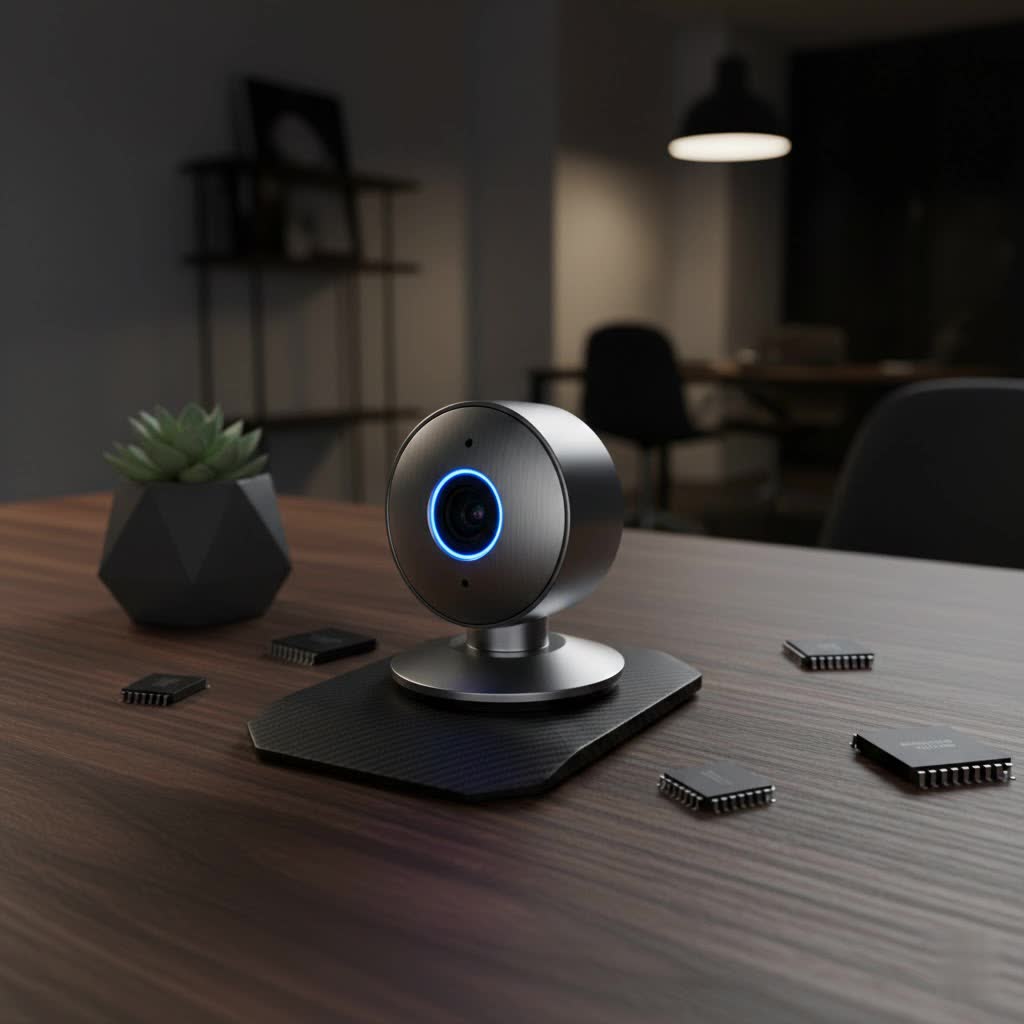
A computer webcam is a digital video camera that connects to a computer, capturing and transmitting real-time video and often audio. While many laptops come with integrated webcams, external computer webcams typically offer superior image quality, better features, and more flexibility. These devices are essential for various activities, including participating in online meetings, attending virtual classes, creating content for live streams, or simply video chatting with friends and family. A high-quality webcam ensures you present a clear, professional image, improving communication and engagement in all your virtual interactions.
Common Types of Computer Webcams
The market offers several types of webcams, each designed to cater to different user needs and preferences. Understanding these categories will help you narrow down your choices.
- Integrated Webcams: These are built directly into laptops and some monitors. While convenient, they often offer lower resolutions and poorer low-light performance compared to external options.
- External USB Webcams: The most common type, these connect via a USB port. They range from basic HD models to advanced 4K cameras with features like autofocus and improved microphones. They offer significant upgrades over integrated cameras.
- Dedicated Streaming Webcams: Designed for content creators, these often boast higher resolutions (e.g., 4K/60fps), larger sensors, advanced autofocus, and specialized software for effects and customization.
- PTZ (Pan-Tilt-Zoom) Webcams: These cameras offer robotic control over their movement, allowing users to remotely pan, tilt, and zoom the lens. While generally more expensive, they are ideal for presentations or dynamic content creation where camera movement is beneficial.
Essential Factors When Choosing Your Computer Webcam
Selecting the right computer webcam involves considering several key specifications and features to match your usage patterns and environment.
- Resolution: This is the clarity of your video.
- 720p: Basic quality, suitable for casual chats but can appear grainy.
- 1080p (Full HD): The sweet spot for most users, offering clear video for conferencing and general use. Many popular video conferencing platforms like Zoom and Google Meet often cap streams at 1080p or 720p.
- 2K (QHD): Offers a step up from 1080p, useful if you plan to zoom in or crop your video without significant loss of detail. The Dell Pro Webcam (WB5023) is a good example in this category.
- 4K (Ultra HD): Provides the sharpest image, best for professional streamers, content creators, or anyone needing maximum detail. However, ensure your internet bandwidth and conferencing software can support 4K streaming.
- Frame Rate (FPS – Frames Per Second): This dictates the smoothness of your video.
- 30fps: Standard for most webcams and sufficient for video calls and general use.
- 60fps: Offers smoother, more fluid motion, highly recommended for gaming, fast-paced presentations, or professional streaming. The Elgato Facecam Pro, for instance, offers 4K at 60fps.
- Field of View (FOV): This determines how much of your background is visible.
- Narrow FOV (e.g., 65-78 degrees): Ideal for single users who want to focus on themselves and minimize distractions in their background.
- Wide FOV (e.g., 90 degrees or more): Good for multiple participants or if you need to show a whiteboard or presentation aid. Be mindful of your background if opting for a wider view.
- Microphone: While many webcams include built-in microphones, their quality can vary significantly. For crucial communications or content creation, an external microphone is almost always recommended for superior audio clarity.
- Additional Features:
- Autofocus: Essential for maintaining a sharp image, especially if you move or present objects to the camera.
- Automatic Light Correction (RightLight, HDR): Helps adjust exposure and white balance in various lighting conditions, crucial for looking good in less-than-ideal setups. The Logitech Brio 500 features “RightLight 4” technology for impressive exposure-balanced images.
- Privacy Shutter: A physical cover for your lens provides peace of mind against accidental activation or unwanted viewing.
- AI-Powered Features: Some advanced webcams, like the Insta360 Link, include AI for movement tracking, auto-framing, and enhanced exposure.
- Sensor Size: A larger sensor generally leads to better image quality, particularly in low light. The Razer Kiyo Pro Ultra boasts a 1/1.2-inch Sony Starvis 2 sensor for excellent image quality.
Best Buy Web Cams: A Comparison of Top Models
Here’s a comparison of some of the best webcams available, considering various needs and price points.
| Model | Resolution | Frame Rate | FOV | Key Features | Pros | Cons | Ideal For |
|---|---|---|---|---|---|---|---|
| Logitech Brio 500 | 1080p | 30fps | 90°, 78°, 65° | Auto-exposure/white balance (RightLight 4), privacy cover, good mic | Excellent out-of-the-box performance, great in various lighting, modern software | 1080p resolution (might seem low to some) | Most users, everyday meetings |
| Insta360 Link | 4K | 30fps | 79.5° | AI-powered 3-axis gimbal, auto-exposure, color reproduction, various modes | Unparalleled image quality, best auto-exposure/focus, movement tracking | Expensive, overkill for most users | Content creators, professional presenters |
| Elgato Facecam Neo | 1080p | 60fps | 77° | 1/2.9″ CMOS sensor, autofocus, physical privacy shutter | Affordable, performs well in low light, 60fps at 1080p | Can struggle in overexposed scenarios, no built-in mic | Budget-conscious users, basic streaming |
| Elgato Facecam Pro | 4K | 60fps | 90° | 4K/60fps (unique), robust software, autofocus | Unmatched 4K/60fps, excellent image quality, detailed software control | Expensive, bulky, no physical privacy cover | Professional streamers, high-end creators |
| Razer Kiyo Pro Ultra | 4K | 30fps | 82°-72° | Largest sensor (1/1.2″ Sony Starvis 2), wide f1.7 aperture, digital zoom, privacy shutter | Superior image quality, blurred background effect without software, great in low light | Expensive, Razer Synapse software can be frustrating, large | Image quality enthusiasts, advanced streamers |
| Dell Pro Webcam (WB5023) | 2K (QHD) | 30fps | 78° | HDR, 4x digital zoom, AI auto-framing, built-in mic | Good balance of resolution and price, impressive low-light performance | Auto-white balance can be sallow, weaker built-in mic | Users needing more than 1080p but not 4K |
Computer Webcam Buying Guide: Making the Right Choice
Follow these steps to ensure you pick the best computer webcam for your situation:
- Define Your Needs:
- Casual use (family calls, occasional meetings): A good 1080p 30fps webcam with decent auto-light correction like the Logitech Brio 500 or Elgato Facecam Neo is sufficient.
- Professional work (daily meetings, presentations): Look for 1080p or 2K with good low-light performance, reliable autofocus, and a privacy shutter. The Dell Pro Webcam (WB5023) is a strong contender.
- Content creation/streaming: Prioritize 4K resolution (if supported by your platform), 60fps, a large sensor, and advanced software features. The Insta360 Link or Elgato Facecam Pro are excellent choices.
- Set Your Budget: Webcams can range from under $50 to several hundred dollars. Determine how much you’re willing to spend, keeping in mind that features like 4K resolution and advanced AI capabilities come at a premium.
- Consider Brands: Reputable brands like Logitech, Elgato, Razer, and Dell consistently produce quality webcams with good support. Researching customer reviews for specific models from these brands can be very helpful.
- Where to Buy:
- Online Retailers (Amazon, Best Buy, Newegg): Offer vast selections, competitive pricing, and user reviews. Best Buy (bestbuy.com) is a great option as it often has a “Top-Rated Webcams” section and allows for in-store pickup.
- Physical Stores (Best Buy, Micro Center): Allow you to see the product in person and get advice from sales associates.
- Check for Compatibility: Ensure the webcam is compatible with your operating system (Windows, macOS, ChromeOS) and preferred applications (Zoom, Microsoft Teams, OBS Studio).
Top Picks: Our Favorite Computer Webcams
Based on extensive testing and user feedback, here are some highly recommended computer webcams across different categories:
- Best Overall for Most Users: Logitech Brio 500. This 1080p/30fps webcam offers exceptional auto-white balance and exposure, even in challenging lighting conditions. Its “RightLight 4” technology provides flattering images, making it an ideal upgrade for anyone moving beyond a laptop’s built-in camera. It also features a well-designed privacy cover and good mic.
- Best for Content Creators: Insta360 Link. With 4K/30fps video and an AI-powered 3-axis gimbal, the Link delivers unparalleled image quality, auto-exposure, and color reproduction. Its intelligent movement tracking and various capture modes make it perfect for dynamic presentations and streaming, despite its higher price point.
- Best Budget Option: Elgato Facecam Neo. At around $60, this 1080p/60fps webcam is a fantastic value. It includes an autofocus lens and a physical privacy shutter, performing surprisingly well in low-light scenarios. While it lacks a built-in microphone, its image quality for the price is hard to beat.
- Best 4K Webcam: Elgato Facecam Pro. Setting itself apart with 4K/60fps capability, the Facecam Pro offers stunning image quality and robust software control. It’s a powerhouse for professional streamers and content creators who demand the highest resolution and frame rate for their broadcasts.
- Best for Image Quality: Razer Kiyo Pro Ultra. Boasting the largest sensor ever in a webcam (1/1.2-inch Sony Starvis 2) and a wide f1.7 aperture, this webcam delivers incredible image crispness and a natural blurred background effect. It’s an investment for those prioritizing cinematic visual fidelity.
Tips for Using and Maintaining Your Computer Webcam
To get the most out of your computer webcam and ensure its longevity, consider these practical tips:
- Proper Setup and Configuration: Position your webcam at eye level or slightly above for the most flattering angle. Use its accompanying software to fine-tune settings like exposure, white balance, and focus to optimize image quality for your specific lighting.
- Optimize Lighting: Good lighting is crucial for a clear picture. Face a light source (like a window or a ring light) rather than having it behind you. Avoid harsh overhead lighting that can create unflattering shadows.
- Clean Regularly: Dust and fingerprints on the lens can degrade image quality. Gently clean the lens with a microfiber cloth and a specialized lens cleaner (not harsh chemicals).
- Secure Storage: When not in use, store your external webcam in a safe place to protect it from dust, scratches, and accidental damage. Use its privacy shutter or lens cap to keep the lens pristine.
Conclusion
Choosing the best computer webcam is a crucial step towards enhancing your digital interactions, whether for work, learning, or leisure. By understanding the different types, key features, and top models available, you can confidently select a device that meets your needs and budget. Remember that the “best buy” isn’t always the most expensive, but rather the one that offers the ideal balance of performance, features, and value for your specific requirements. What specific use case is most important for your next webcam purchase?
Frequently Asked Questions
Is a 4K webcam worth it if my video conferencing app only supports 1080p?
While most common video conferencing apps like Zoom, Google Meet, and Microsoft Teams currently limit outgoing video streams to 1080p or 720p, a 4K webcam can still offer benefits. The higher resolution allows for better digital zooming and cropping without significant loss of detail, which can be useful for framing your shot perfectly or removing unwanted background elements, providing a clearer image even at lower output resolutions.
Do I really need an external microphone if my webcam has one built-in?
For optimal audio quality, an external microphone is generally recommended, especially for professional use, streaming, or content creation. While built-in webcam microphones can be convenient, they often pick up background noise and may not offer the same clarity or rich sound profile as a dedicated external mic. This can significantly improve how you sound to your audience.
How important is autofocus in a computer webcam?
Autofocus is a highly valuable feature, particularly if you move frequently during calls, present physical objects to the camera, or if your lighting conditions change. It ensures that your image remains sharp and clear without manual adjustments. For static setups with consistent lighting, a good fixed-focus lens can also work, but autofocus offers greater flexibility and convenience.
What is “RightLight” or “HDR” technology in webcams?
“RightLight” (Logitech’s term) and HDR (High Dynamic Range) are technologies designed to improve a webcam’s performance in challenging lighting conditions. They automatically adjust exposure, contrast, and white balance to prevent overexposed bright spots and underexposed dark areas, ensuring you appear well-lit and balanced on camera, even in low light or with strong backlighting.
