In today’s interconnected world, clear and reliable video communication is no longer a luxury but a necessity. Whether you’re connecting with colleagues, attending online classes, or live-streaming your passions, a high-quality PC webcam ensures you always look your best and communicate effectively. With countless options on the market, choosing the right PC webcam can feel overwhelming. This comprehensive guide will navigate you through the essential features, top models, and practical tips to help you find the perfect camera for your needs.
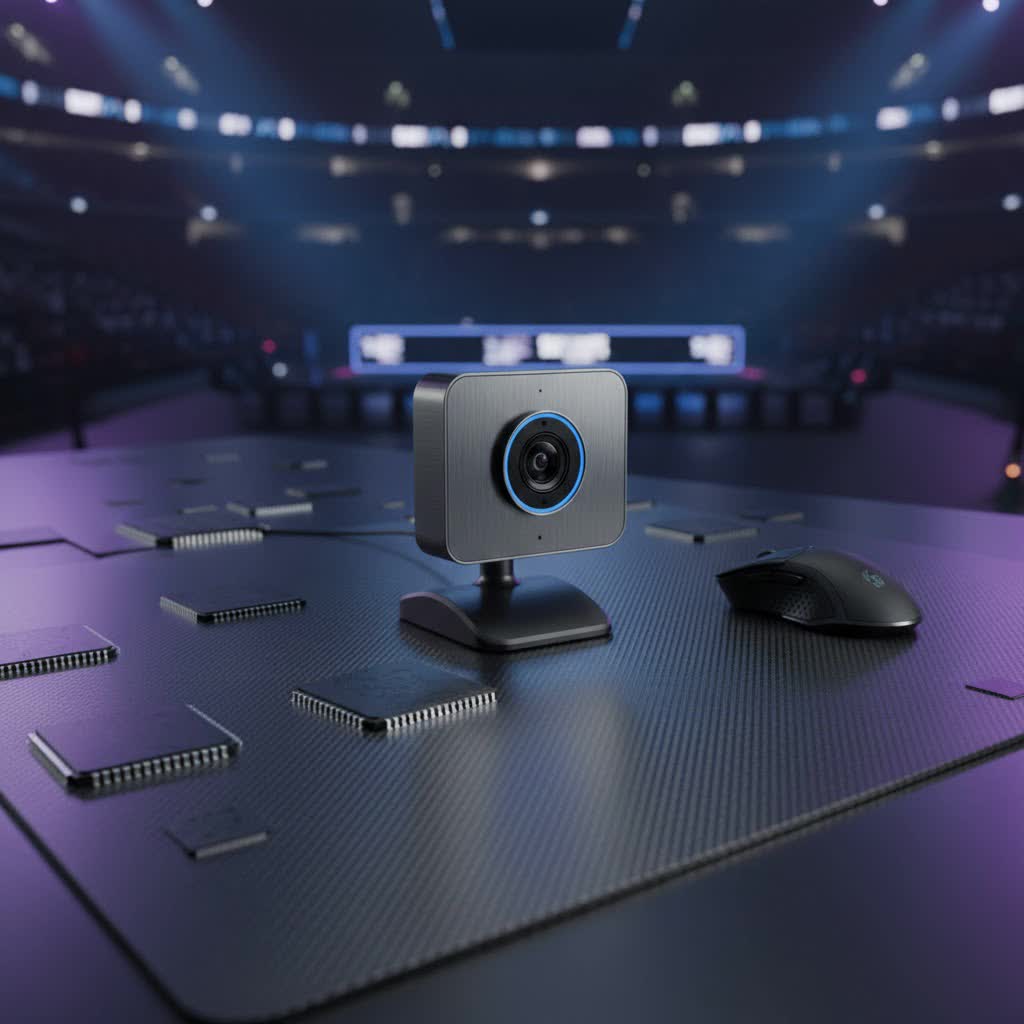
What is a Computer Webcam and Why Do You Need One?
A computer webcam is a digital camera that connects to a computer, designed to capture video and still images. While many laptops come with integrated webcams, external PC webcams offer significant upgrades in quality and functionality, transforming your online presence.
The primary use cases for a PC webcam are diverse and constantly expanding. For students and remote workers, it’s indispensable for online learning and video conferencing, enabling face-to-face interaction that fosters connection and clarity. For content creators, gamers, and artists, a dedicated PC webcam is crucial for live streaming on platforms like Twitch and YouTube, delivering professional-grade visuals that engage audiences. Beyond these, webcams are used for virtual social gatherings, online interviews, and even home security monitoring.
The benefits of investing in a high-quality PC webcam are manifold. You gain superior image clarity, better low-light performance, more accurate color reproduction, and often enhanced audio compared to built-in laptop cameras. This translates to a more professional appearance, smoother video, and a more engaging experience for both you and your audience.
Types of Computer Webcams
PC webcams come in various forms, each suited to different needs and budgets. Understanding these types is the first step toward making an informed choice.
Integrated Webcams
|
Our Picks for the Best Computer Webcam in 2026
As an Amazon Associate I earn from qualifying purchases.
|
||
| Num | Product | Action |
|---|---|---|
| 1 | RUWBY Full HD 1080P Webcam with Built-in Dual Mics, Wide-Angle Lens, Privacy Cover, Tripod Stand, Autofocus Computer Camera, Plug and Play for Desktop PC or Laptop |

|
| 2 | Logitech Brio 101 Full HD 1080p Webcam for Meetings, Streaming, Desktop, Laptop, PC - Built-in Mic, Shutter, Works with Zoom, Microsoft Teams, Nintendo Switch 2’s New GameChat Mode, USB-A,-Black |
|
| 3 | Logitech C920e HD 1080p Mic-Enabled Webcam, Certified for Zoom, Microsoft Teams Compatible, TAA Compliant |
|
| 4 | Shcngqio 1080P HD Webcam with Microphone, Noise Cancellation, Privacy Cover, Wide-Angle Lens, Auto Light Correction, Plug & Play USB Webcam for Laptop, Desktop, PC, Mac, Zoom, Skype, Streaming (Black) |
|
| 5 | Gohero Full HD 1080P Video Webcam, Noise Cancellation, Privacy Cover, Wide-Angle Lens, Auto Light Correction, Plug & Play USB Webcam for Laptop, Desktop, PC, Mac, Zoom, Skype Pro Series |
|
| 6 | NexiGo N60 1080P Webcam with Microphone, Software Control & Privacy Cover, USB HD Computer Web Camera, Plug and Play, for Zoom/Skype/Teams, Conferencing and Video Calling |
|
| 7 | EMEET 1080P Webcam with Microphone, C960 Web Cam, 2 Mics, 90° FOV, USB Type-A & A-to-C Adapter, Plug&Play Computer Camera for Online Calling, Zoom/Teams/Facetime, Switch 2 Camera Support, 2025 Version |
|
| 8 | Logitech C920x HD Pro PC Webcam, Full HD 1080p/30fps Video, Clear Audio, HD Light Correction, Works with Microsoft Teams, Google Meet, Zoom, Nintendo Switch 2’s New GameChat Mode, Mac/Tablet- Black |
|
| 9 | TRAUSI 1080P Webcam with Active Light Correction, Privacy Cover, Plug and Play USB Webcam for PC/Desktop/Laptop |
|
| 10 | Logitech C270 HD Webcam, 720p, Widescreen HD Video Calling, Light Correction, Noise-Reducing Mic, Works with Zoom, Nintendo Switch 2’s New GameChat Mode, PC/Mac/Laptop/MacBook/Tablet - Black |
|
These are the cameras built directly into your laptop or monitor. While convenient, they often compromise on quality due to space and cost constraints. They typically offer basic performance, sufficient for casual video calls but lacking the resolution, low-light capabilities, and advanced features found in external options.
External USB Webcams
The most common type, these standalone cameras connect to your computer via a USB port. They offer a vast improvement over integrated models, ranging from affordable HD options to high-end 4K cameras. External webcams provide greater flexibility in positioning, better sensors, and often come with advanced features like autofocus, superior microphones, and dedicated software for image customization. They are ideal for most users looking for a significant upgrade.
Specialized Webcams
This category includes webcams designed for specific purposes, such as:
- Streaming Webcams: Often feature higher frame rates (60fps), advanced sensors, wider fields of view, and robust software for granular control over image settings, crucial for professional content creation.
- AI-Powered Webcams: Incorporate artificial intelligence for features like automatic subject tracking, auto-framing, gesture controls, and enhanced low-light performance. These are excellent for dynamic presenters or those who move around during calls.
- Portable Webcams: Compact and lightweight, these are designed for users who need a high-quality webcam on the go, often clipping easily onto laptops or even tablets.
Comparing these types, external USB webcams generally provide the best balance of performance, features, and value for the majority of users. Specialized webcams cater to niche demands, offering advanced capabilities for those with specific professional or creative requirements.
Essential Factors When Choosing a Computer Webcam
Selecting the best PC webcam requires careful consideration of several technical specifications and features. Prioritizing these factors based on your primary use case will guide you to the perfect device.
Resolution: 720p, 1080p, 2K, 4K – Which to Choose?
Resolution defines the sharpness and detail of your video.
- 720p (HD): This is generally the minimum acceptable resolution for basic video calls. While budget-friendly, it may appear less sharp.
- 1080p (Full HD): The standard for most external webcams and sufficient for the vast majority of users. Most popular video conferencing platforms like Zoom, Google Meet, and Microsoft Teams often cap outgoing streams at 1080p or even 720p, meaning a higher resolution webcam won’t necessarily be fully utilized in these applications.
- 2K (QHD/1440p): Offers a noticeable step up in detail, useful if you plan to zoom in or crop your video, providing more flexibility without significant quality loss.
- 4K (Ultra HD): Provides the highest level of detail. While most conferencing apps don’t support native 4K streaming, a 4K webcam can still deliver a superior 1080p image due to downscaling, allowing for extensive cropping and digital zooming without pixilation. It’s ideal for professional content creators, streamers, and those prioritizing future-proofing. However, it requires more bandwidth and computing power.
Frame Rate (FPS): How it Affects Video Smoothness
Frame rate, or frames per second (FPS), determines how smooth and fluid your video appears.
- 30fps: The standard for most video calls and recordings. It offers a natural look and is perfectly adequate for general use.
- 60fps: Delivers noticeably smoother motion, essential for fast-paced activities like gaming streams, product demonstrations, or presentations where you move frequently. Some webcams offer 60fps at 1080p, while 4K at 60fps is a premium feature found in higher-end models.
Field of View (FOV): Wide or Narrow?
FOV measures how much of the scene the camera captures.
- Narrow FOV (e.g., 60-70 degrees): Ideal for single users, focusing on your face and minimizing background distractions.
- Wide FOV (e.g., 80-90+ degrees): Suitable for capturing multiple people, showing more of your environment, or presentations where you need to showcase a larger area. Some webcams offer adjustable FOV settings through software.
Microphone Quality: Is Integrated Good Enough?
While most webcams include built-in microphones, their quality varies significantly.
- Integrated Microphones: Can be convenient, often featuring noise reduction. However, they generally don’t match the clarity of dedicated external microphones or good headsets, especially in noisy environments. If crystal-clear audio is critical (e.g., for podcasting, professional streaming), consider an external mic.
- Dual Microphones: Some webcams feature multiple mics for better sound capture and noise cancellation.
Additional Features
Modern PC webcams come packed with features that can enhance your video experience:
- Autofocus: Automatically keeps you sharp, even if you move. Crucial for dynamic presentations.
- Auto-Light Correction (HDR): Automatically adjusts exposure and white balance to compensate for poor or inconsistent lighting, helping you look good in various conditions.
- Privacy Shutter: A physical or digital cover for the lens, providing peace of mind when the webcam is not in use.
- AI Tracking & Auto-Framing: Uses artificial intelligence to keep you centered in the frame, even as you move.
- Software Control: Companion software allows fine-tuning of settings like exposure, white balance, zoom, and digital pan/tilt.
- Built-in Ring Lights: Some webcams integrate a light source to ensure even, flattering illumination.
- Background Removal: Software-based features that can blur or replace your background without a physical green screen.
Lens Type: Glass vs. Plastic
The material of the lens impacts image clarity and durability.
- Plastic Lenses: More affordable, but can result in softer images and are more prone to scratches.
- Glass Lenses: Found in higher-quality webcams, offering superior clarity, sharpness, and durability, especially for 2K and 4K resolutions.
Top Picks: The Best PC Webcams Reviewed
Here’s a curated list of the best PC webcams, catering to various needs and budgets, based on expert reviews and user feedback.
Best Overall / For Most Users
- Logitech Brio 500: An excellent all-rounder, offering superb 1080p video quality at 30fps with impressive auto-exposure and white balance. It handles various lighting conditions well, includes a privacy shutter, and is a solid upgrade for anyone moving beyond a laptop’s built-in camera.
- Obsbot Tiny 2: Praised for its 4K video, mechanical pan and tilt, and effective AI movement tracking with voice and gesture controls. It’s a premium option that offers outstanding video quality and smart features.
Best for Content Creators / Streaming
- Insta360 Link / Link 2C: Featuring a 4K resolution, AI-powered 3-axis gimbal, and intelligent tracking, this webcam delivers unparalleled image quality and advanced capture modes for dynamic creators. It excels in auto-lighting and autofocus.
- Elgato Facecam Pro: The first and only webcam capable of 4K at 60fps, making it a top choice for professional streamers and content creators who demand the smoothest, highest-resolution video. It comes with robust software for extensive control.
- Razer Kiyo Pro Ultra: Known for its exceptional image quality, thanks to a large 1/1.2-inch Sony Starvis 2 sensor and wide f/1.7 aperture. It offers great low-light performance and can create an attractive blurred background effect without software.
Best Budget Options
- Elgato Facecam Neo: A strong budget-friendly choice, delivering 1080p at 60fps with autofocus and a physical privacy shutter. It performs well in less-than-ideal lighting.
- HP 325 FHD Webcam: Provides reliable 1080p resolution at an affordable price, making it a great no-frills option for casual video calls and basic needs.
- Logitech C920/C920s: A classic 1080p webcam that has stood the test of time, offering solid performance and value, often considered the benchmark for affordable quality.
Best 2K Option
- Dell Pro Webcam (WB5023): A great compromise between 1080p and 4K, offering 2K QHD (1440p) video at 30fps or 1080p at 60fps. It provides impressive out-of-the-box performance, especially in low light with its HDR capabilities.
Best Portable
- Opal Tadpole: An incredibly compact and lightweight 1080p webcam, perfect for professionals and students on the go. Despite its tiny size, it delivers solid performance and surprisingly good noise-canceling audio.
Best for Conference Rooms (with AI tracking)
- Obsbot Tiny SE: An affordable option that brings advanced AI tracking and a built-in gimbal to the 1080p category, making it suitable for conference calls or situations where the speaker moves.
Buying Guide: How to Choose Your Perfect Computer Webcam
Navigating the multitude of choices requires a clear approach. Follow these steps to select the PC webcam that truly meets your expectations.
-
Identify Your Primary Use Case:
- Casual Video Calls/Online Learning: A 1080p/30fps webcam with good auto-light correction will be more than sufficient. Focus on ease of use and affordability.
- Professional Video Conferencing: Look for 1080p/60fps or 4K/30fps with excellent low-light performance, autofocus, and a reliable microphone (or plan for an external one). Privacy features are also a plus.
- Streaming/Content Creation: Prioritize 4K resolution (at 30 or 60fps), high frame rates, advanced sensors, and robust software for granular control. AI features like tracking can be highly beneficial.
-
Set a Realistic Budget: Webcam prices vary widely. Determine how much you’re willing to spend. While you get what you pay for in terms of quality and features, excellent options exist at every price point, from under $50 to over $300.
-
Consider Brand Reputation: Reputable brands like Logitech, Elgato, Razer, Obsbot, and Dell consistently produce high-quality webcams with good support and reliable software. Reading reviews from trusted tech sites is invaluable.
-
Where to Buy:
- Online Retailers: Offer the widest selection and often the best prices, along with customer reviews.
- Electronics Stores: Allow you to see and feel the product, and ask questions to sales associates.
-
Check Product Specifications and Reviews Thoroughly: Don’t just look at the resolution. Pay attention to sensor size, lens type, software capabilities, and compatibility with your operating system and preferred video platforms. Read detailed reviews, particularly those that include real-world performance tests in various lighting conditions.
Tips for Using and Maintaining Your Computer Webcam
Once you’ve chosen your PC webcam, a few simple tips can help you maximize its performance and longevity.
- Proper Installation and Configuration: Most external webcams are plug-and-play via USB. However, downloading the manufacturer’s software is highly recommended. This software often unlocks additional features, allows you to update firmware, and provides control over settings like resolution, frame rate, exposure, white balance, and digital zoom.
- Optimize Your Lighting: Good lighting is paramount for excellent webcam quality. Position yourself facing a soft, diffused light source (like a window or ring light) rather than having a light source behind you, which can silhouette you. Avoid harsh overhead lighting that creates unflattering shadows.
- Adjust Camera Angle: Position your webcam at eye level or slightly above, looking slightly down at you. This creates the most flattering angle and helps maintain eye contact. Use a monitor mount or a tripod for optimal placement.
- Clean the Lens Regularly: Dust and smudges can significantly degrade image quality. Gently clean the lens with a microfiber cloth and a specialized lens cleaning solution (or a small amount of glass cleaner applied to the cloth, never directly to the lens). Use an air duster to remove loose debris.
- Ensure Privacy and Security: When not in use, consider using a physical privacy cover (many webcams include one) or simply unplugging the webcam. This protects against unauthorized access and gives you peace of mind.
Conclusion
Choosing the best PC webcam can dramatically elevate your online interactions, whether for professional meetings, educational pursuits, or connecting with friends and family. By understanding the core features like resolution, frame rate, and field of view, and considering advanced functionalities such as AI tracking and low-light correction, you can confidently select a device that perfectly aligns with your needs. Remember to always prioritize your specific use case and budget. Investing in a quality PC webcam isn’t just about clearer video; it’s about enhancing your presence and making every virtual connection count.
What specific feature do you value most in your ideal PC webcam?
Frequently Asked Questions
Why choose an external PC webcam over a laptop’s built-in camera?
External PC webcams generally offer superior image quality, higher resolutions and frame rates, better low-light performance, and more advanced features like autofocus and robust software controls compared to the basic cameras often integrated into laptops. This results in a more professional and polished appearance.
Is a 4K PC webcam necessary for most users?
For most users, a 1080p PC webcam is more than sufficient. Many popular video conferencing platforms don’t even stream above 1080p. A 4K webcam is primarily beneficial for content creators, streamers, or those who need to zoom and crop extensively without losing detail.
What’s the ideal frame rate for a PC webcam?
For general video calls and online learning, 30 frames per second (fps) is perfectly adequate. However, for smoother video, especially in gaming, live streaming, or dynamic presentations, a webcam capable of 60fps will provide a noticeably better experience.
Do PC webcams have good microphones?
The quality of integrated microphones in PC webcams varies. While many include decent microphones with noise cancellation, a dedicated external microphone or a high-quality headset will almost always provide superior audio clarity and minimize background noise, which is crucial for professional use or content creation.
How can I improve my PC webcam’s image quality?
Beyond choosing a good webcam, improving image quality involves optimizing your environment. Ensure you have good, even lighting (facing a window or using a ring light), position your camera at eye level, and keep your lens clean. Using the webcam’s companion software to adjust settings like exposure and white balance can also make a significant difference.
