In today’s digital landscape, a reliable computer camera with a stand is no longer a luxury but a necessity. From crucial business meetings and engaging online classes to captivating live streams and personal video calls, your visual presence matters more than ever. Many rely on subpar built-in laptop cameras, struggling with unflattering angles, poor image quality, and shaky footage. This comprehensive guide will explore how a dedicated computer camera with a versatile stand can transform your digital interactions, offering superior clarity, flexibility, and professionalism.
Understanding Computer Cameras with Stands: More Than Just a Webcam
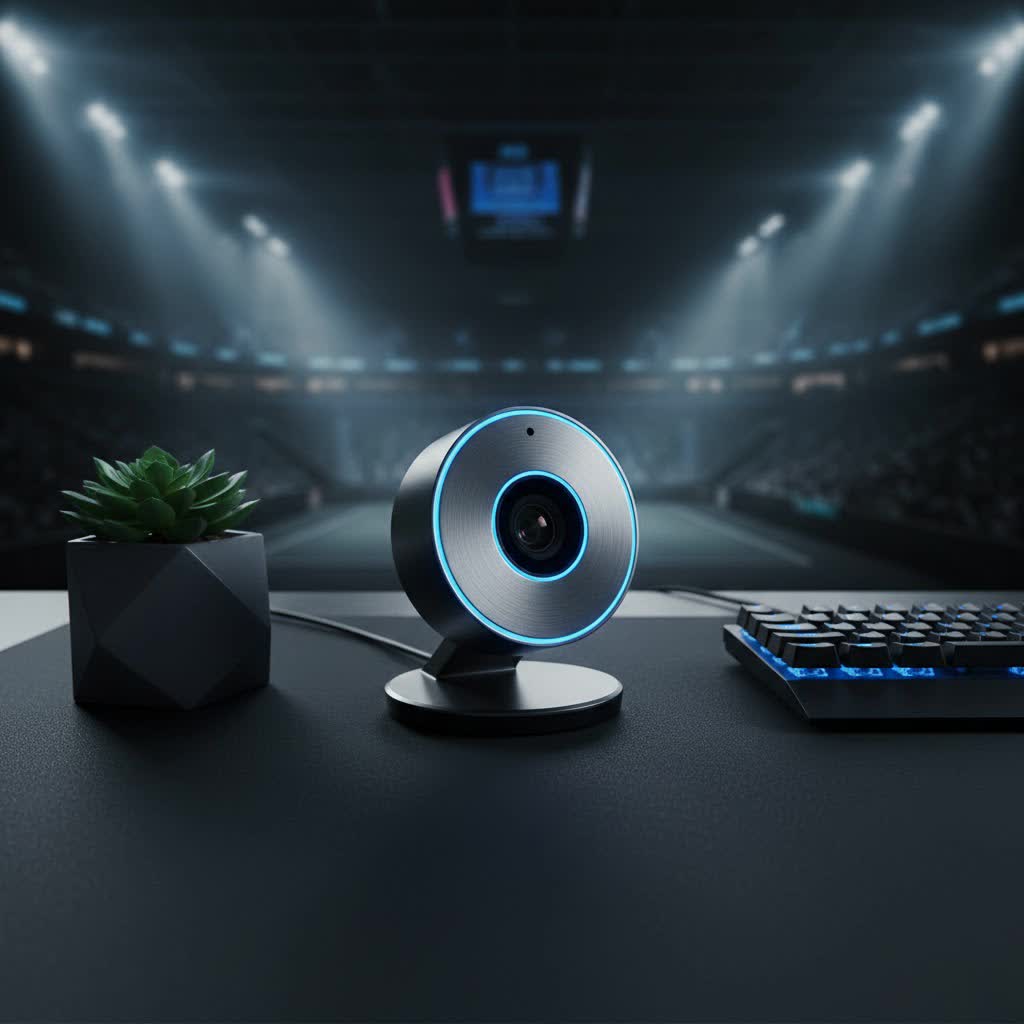
A computer camera with a stand refers to an external camera designed for computers, typically connected via USB, that comes equipped with a mounting solution. This can range from simple monitor clips to integrated desktop stands or even advanced robotic mounts. Unlike the often limited and low-resolution cameras embedded in laptops, these external devices boast specialized sensors, lenses, and processing capabilities that deliver significantly higher image and audio quality.
These cameras are essential tools for a wide array of activities. For professionals, they ensure crystal-clear video conferencing, making a strong impression in virtual environments. Students benefit from improved visibility during online learning, fostering better engagement. For content creators and live streamers, a high-quality external camera with a flexible stand is foundational to producing polished, professional-looking content that attracts and retains an audience. The benefits extend beyond mere functionality, enhancing professionalism, providing better image and audio fidelity, and offering unparalleled flexibility in camera placement and angle.
Types of Computer Cameras and Their Stands
The world of computer cameras with stands is diverse, catering to various needs and budgets. Understanding the different types available is crucial for making an informed choice.
Traditional Webcams with Monitor Mounts
|
Our Picks for the Best Computer Webcam in 2026
As an Amazon Associate I earn from qualifying purchases.
|
||
| Num | Product | Action |
|---|---|---|
| 1 | Logitech C920e HD 1080p Mic-Enabled Webcam, Certified for Zoom, Microsoft Teams Compatible, TAA Compliant |

|
| 2 | Shcngqio 1080P HD Webcam with Microphone, Noise Cancellation, Privacy Cover, Wide-Angle Lens, Auto Light Correction, Plug & Play USB Webcam for Laptop, Desktop, PC, Mac, Zoom, Skype, Streaming (Black) |
|
| 3 | TRAUSI 1080P Webcam with Active Light Correction, Privacy Cover, Plug and Play USB Webcam for PC/Desktop/Laptop |
|
| 4 | NexiGo N60 1080P Webcam with Microphone, Software Control & Privacy Cover, USB HD Computer Web Camera, Plug and Play, for Zoom/Skype/Teams, Conferencing and Video Calling |
|
| 5 | Logitech Brio 101 Full HD 1080p Webcam for Meetings, Streaming, Desktop, Laptop, PC - Built-in Mic, Shutter, Works with Zoom, Microsoft Teams, Nintendo Switch 2’s New GameChat Mode, USB-A,-Black |
|
| 6 | Gohero Full HD 1080P Video Webcam, Noise Cancellation, Privacy Cover, Wide-Angle Lens, Auto Light Correction, Plug & Play USB Webcam for Laptop, Desktop, PC, Mac, Zoom, Skype Pro Series |
|
| 7 | RUWBY Full HD 1080P Webcam with Built-in Dual Mics, Wide-Angle Lens, Privacy Cover, Tripod Stand, Autofocus Computer Camera, Plug and Play for Desktop PC or Laptop |
|
| 8 | Logitech C270 HD Webcam, 720p, Widescreen HD Video Calling, Light Correction, Noise-Reducing Mic, Works with Zoom, Nintendo Switch 2’s New GameChat Mode, PC/Mac/Laptop/MacBook/Tablet - Black |
|
| 9 | Logitech C920x HD Pro PC Webcam, Full HD 1080p/30fps Video, Clear Audio, HD Light Correction, Works with Microsoft Teams, Google Meet, Zoom, Nintendo Switch 2’s New GameChat Mode, Mac/Tablet- Black |
|
| 10 | EMEET 1080P Webcam with Microphone, C960 Web Cam, 2 Mics, 90° FOV, USB Type-A & A-to-C Adapter, Plug&Play Computer Camera for Online Calling, Zoom/Teams/Facetime, Switch 2 Camera Support, 2025 Version |
|
These are the most common type, featuring a clip-on design that securely attaches to the top of your laptop screen or desktop monitor. They are generally plug-and-play, easy to install, and ideal for basic video calls and online meetings. Many popular models, like the Logitech C920 series, fall into this category, offering a good balance of quality and affordability.
Webcams with Tripod Mounts
Many external webcams, even those with monitor clips, include a standard 1/4-inch screw thread at the bottom. This allows them to be easily detached from their integrated mount and attached to an external desktop tripod or a full-sized camera tripod. This versatility is perfect for users who need specific camera heights or angles that a monitor mount cannot provide, such as for product demonstrations or unique streaming setups.
Dedicated Streaming Cameras
Designed with content creators and live streamers in mind, these cameras often feature higher frame rates, advanced low-light performance, and more robust construction. They frequently come with superior integrated stands that offer more articulation and stability, or they are specifically built to be mounted on professional camera arms and tripods. Examples include the Elgato Facecam and Logitech StreamCam.
AI-Powered Cameras with Robotic Stands
The cutting edge of computer camera technology includes AI-powered cameras that integrate advanced robotic stands. These innovative devices can automatically pan, tilt, and zoom to keep the subject in frame, offering features like auto-tracking, gesture control, and intelligent auto-framing. The Obsbot Tiny series and Insta360 Link are prime examples, providing unparalleled dynamic camera control, making them ideal for presenters who move around or for interactive streaming.
Each type offers distinct advantages, from the simple convenience of a traditional monitor mount to the dynamic capabilities of an AI-powered robotic stand, allowing users to choose the best fit for their specific visual requirements.
Key Factors When Choosing a Computer Camera with Stand
Selecting the right computer camera with a stand involves considering several technical specifications and features to ensure it meets your specific needs.
Resolution: 720p, 1080p, 4K
- 720p (HD): While entry-level and better than many built-in laptop cameras, 720p provides the softest image quality. It’s suitable for casual use where crispness isn’t a top priority.
- 1080p (Full HD): This is the sweet spot for most users. It offers a sharp, clear image perfect for professional video calls, online learning, and general streaming. Many 1080p cameras balance quality with reasonable price and typically offer higher frame rates.
- 4K (Ultra HD): For the highest level of detail and clarity, 4K cameras are superior. They are ideal for professional content creation, high-end streaming, and users who prioritize the absolute best image quality. However, 4K often comes with a higher price tag and may be limited to 30 frames per second (fps), requiring a trade-off between resolution and motion smoothness.
Frame Rate (FPS): Affecting Video Smoothness
Frame rate dictates how many individual images (frames) your camera captures per second, directly impacting the smoothness of your video.
- 30fps: Standard for most webcams and sufficient for video calls and static presentations.
- 60fps: Offers a significantly smoother, more natural, and lifelike video experience, which is particularly beneficial for fast-paced content, gaming streams, or any scenario where fluid motion is critical. Some high-end 1080p cameras offer 60fps, while 4K cameras are often capped at 30fps.
Field of View (FoV): Wide or Narrow?
Field of View (FoV) refers to how much of the scene the camera can capture.
- Narrow FoV (e.g., 60-70 degrees): Ideal for solo presenters or close-up shots, focusing attention solely on you and minimizing background distractions.
- Wide FoV (e.g., 78-110+ degrees): Suitable for capturing multiple people, showing more of your environment, or for presentations where you need to display objects around you. Some cameras offer adjustable FoV or software controls to crop the view.
Microphone Quality
While external microphones generally offer superior audio, many computer cameras come with integrated microphones. Look for cameras with:
- Built-in Stereo Microphones: Provide better audio pickup than a single mic.
- Noise Reduction: Advanced algorithms to filter out background noise, ensuring your voice is clear and prominent.
If high-quality audio is paramount, especially for streaming or podcasting, consider pairing your camera with a dedicated USB microphone.
Stand and Mounting Versatility
The quality and flexibility of the stand are as important as the camera itself.
- Integrated Monitor Clips: Ensure it’s sturdy and can securely attach to various monitor thicknesses.
- Tripod Threads: A 1/4-inch screw thread allows for attachment to standard tripods and stands, offering greater positioning flexibility.
- Adjustable Arms/Gimbals: For AI-powered cameras, look for smooth, quiet motor movements and a wide range of motion.
- Desktop Stands: Some cameras come with compact desktop stands, useful for placing the camera independently on a desk.
Additional Features
Modern computer cameras often include advanced features that enhance performance:
- Autofocus: Ensures you remain sharp and in focus, even if you move closer or further from the camera. Phase Detection Autofocus (PDAF) is particularly fast and accurate.
- Auto-light Correction: Automatically adjusts exposure and white balance to make you look good in various lighting conditions, from dimly lit rooms to bright, sunlit spaces. HDR (High Dynamic Range) capabilities further improve performance in challenging lighting.
- Privacy Shutter: A physical cover for the lens, offering peace of mind when the camera is not in use.
- AI Tracking/Auto-framing: For cameras with robotic gimbals, these features automatically keep you centered and framed in the shot.
- Software Compatibility: Check if the camera comes with companion software for fine-tuning settings, applying filters, or accessing advanced features.
Considering these factors will help you narrow down your choices and find a computer camera with a stand that perfectly aligns with your needs and budget.
Top Computer Cameras with Stands: A Comparative Look
Choosing the “best” computer camera with a stand depends on your primary use case. Here’s a look at some highly-rated models and what makes them stand out:
| Model | Resolution | Frame Rate | Key Features | Ideal For |
|---|---|---|---|---|
| Logitech C920/C922 | 1080p | 30fps | Excellent image quality, reliable autofocus, dual mics, flexible monitor clip. | General use, video conferencing, budget-friendly streaming |
| Logitech StreamCam | 1080p | 60fps | Smooth 60fps video, vertical video support, advanced software, versatile monitor/tripod mount. | Live streamers, content creators |
| Logitech MX Brio | 4K | 30fps | Ultra HD 4K, large sensor, premium build, advanced light correction, privacy shutter. | High-end professionals, detailed content creation |
| Obsbot Tiny 2 | 4K | 30fps | AI-powered auto-tracking, mechanical pan/tilt, gesture control, voice control, magnetic monitor mount. | Presenters, interactive streamers, virtual teachers |
| Elgato Facecam MK.2 | 1080p | 60fps | Uncompressed video, Sony STARVIS sensor for low light, wide-angle lens, dedicated mounting options. | Serious streamers, content creators (focus on image quality) |
| Insta360 Link | 4K | 30fps | AI-powered gimbal, natural bokeh, true focus (PDAF), AI noise reduction, magnetic mount, tripod ready. | Professionals needing intelligent tracking and premium features |
For general users and those on a budget, the Logitech C920 remains a classic, offering solid 1080p performance with a dependable monitor mount. If smooth 60fps video is a priority for streaming or fast-paced content, the Logitech StreamCam or Elgato Facecam MK.2 are excellent choices, with the Elgato providing uncompressed video for superior quality.
For the ultimate visual fidelity, the Logitech MX Brio and Insta360 Link deliver stunning 4K resolution. The Insta360 Link further distinguishes itself with its advanced AI gimbal, making it a powerful tool for dynamic presentations and interactive sessions. Similarly, the Obsbot Tiny 2 offers unparalleled AI tracking and mechanical pan/tilt capabilities, ideal for users who need the camera to follow their movements effortlessly.
Each of these top picks offers distinct advantages, ensuring there’s a camera with a stand perfectly suited to your specific visual communication needs.
Setting Up Your Computer Camera with Stand: A Quick Guide
Once you’ve chosen your ideal computer camera with a stand, proper setup is key to maximizing its performance.
- Installation: Most external computer cameras are plug-and-play via USB. Simply connect the camera to an available USB port on your computer. Your operating system (Windows, macOS) should automatically detect and install the necessary drivers.
- Mounting and Positioning:
- Monitor Clip: If your camera has a monitor clip, place it securely on top of your monitor or laptop screen, ensuring the camera lens is centered horizontally. Adjust the hinge to angle the camera slightly down towards your face, aiming for eye-level or slightly above.
- Desktop Stand/Tripod: If using a separate stand or tripod, position it directly behind your monitor or slightly to the side, adjusting the height so the camera is at eye level. This creates a more natural and engaging viewing angle for your audience.
- AI-Powered Cameras: For AI gimbals, place them on a stable surface (monitor, desk, or tripod) where they have a clear line of sight to you. Ensure ample space for the camera to pan and tilt without obstruction.
- Lighting: Good lighting is paramount for a high-quality image.
- Front Lighting: Position a light source (window, desk lamp, ring light) in front of you, directly behind the camera. This illuminates your face evenly and reduces harsh shadows.
- Avoid Backlighting: Do not have a bright light source (like a window) directly behind you, as this will silhouette you and make your face appear dark.
- Soft, Diffused Light: Use diffused light to avoid harsh shadows and glare.
- Software Configuration:
- Open your video conferencing or streaming software (Zoom, Google Meet, OBS Studio, etc.).
- Navigate to the video and audio settings.
- Select your new external camera and its microphone (if using the built-in one) from the dropdown menus.
- Many cameras come with proprietary software that allows for advanced adjustments (brightness, contrast, saturation, white balance, zoom, FoV). Install and use this software to fine-tune your image to perfection.
- Maintenance: Keep your camera lens clean. Gently wipe it with a microfiber cloth to remove dust or smudges that can degrade image quality. Store the camera in a safe place when not in use, especially if it’s a portable model.
By following these simple steps, you’ll be able to quickly set up your computer camera with a stand and enjoy a significantly improved visual experience.
Conclusion
A high-quality computer camera with a versatile stand is an indispensable tool in today’s visually-driven world. It’s an investment that pays dividends in professionalism, clarity, and flexibility, transforming mundane video calls into engaging interactions and elevating casual streams into polished productions. By understanding the different types of cameras and stands available, considering key technical factors like resolution and frame rate, and leveraging advanced features such as AI tracking and superior audio, you can confidently choose the perfect setup for your needs.
Don’t settle for the limitations of a built-in camera. Upgrade your visual communication with a dedicated computer camera with stand and present your best self in every digital interaction. What kind of visual experience are you hoping to create?
Frequently Asked Questions
What is the difference between a built-in laptop camera and an external computer camera with a stand?
Built-in laptop cameras are typically low-resolution, lack advanced features like autofocus or adjustable FoV, and offer limited, often unflattering, angles. An external computer camera with a stand, conversely, provides higher resolutions (1080p, 4K), superior sensors, advanced features (like auto-light correction, noise reduction, and AI tracking), and the flexibility of a dedicated stand for optimal positioning and angle.
Do all computer cameras come with stands?
Most external computer cameras, often referred to as webcams, come with some form of integrated stand or mounting solution, typically a clip for monitors. Many also include a standard 1/4-inch tripod thread, allowing them to be mounted on separate desktop tripods or larger stands for added versatility.
How important is 4K resolution for a computer camera?
While 4K resolution offers the sharpest and most detailed image, its importance depends on your usage. For most video calls and online meetings, 1080p Full HD is perfectly adequate. 4K is primarily beneficial for professional content creation, detailed streaming, or when you need to crop and zoom into your video without significant loss of quality. Keep in mind that 4K often means a lower frame rate (30fps vs. 60fps at 1080p) and requires more processing power.
Can I use a computer camera with a stand for gaming?
Absolutely. Many gamers and streamers use external computer cameras with stands for broadcasting their gameplay, enabling face-cam overlays or interactive segments. Features like high frame rates (60fps), good low-light performance, and reliable autofocus are particularly valuable for gaming streams. Some cameras are specifically designed with streamers in mind, offering even more advanced features.
